Healthy newborn weight gain depends on frequent feeding, effective latch, proper maternal nutrition, and consistent monitoring. Most babies regain their birth weight within 10 to 14 days and then gain steadily. If weight gain is slow, improving feeding techniques and seeking timely medical advice are the safest ways to support growth.
If you are searching for how to increase newborn baby weight, it usually comes from a place of concern and care. Many parents worry when their baby seems smaller or slower to grow. Along with proper feeding and medical guidance, gentle and toxin free baby care practices, such as those followed by brands like Maate, can support a baby’s overall comfort and well being. In most cases, simple adjustments in feeding, routine, and care can make a meaningful difference.
What Is Normal Weight Gain in Newborn Babies
Understanding normal growth patterns helps you stay calm and informed instead of reacting to unnecessary fears.
At birth, most babies weigh between 2.5 kg and 4 kg. It is completely normal for newborns to lose some weight in the first few days after birth. This usually happens because they are adjusting to feeding and losing excess fluids.
Here is how weight gain typically progresses:
- Babies may lose up to 10 percent of their birth weight in the first week
- Most babies regain their birth weight within 10 to 14 days
- From birth to 3 months, babies usually gain around 150 to 200 grams per week
- After 3 months, the rate of weight gain slows slightly
You should be concerned if your baby has not regained birth weight after 2 weeks, shows very little progress over time, or seems weak and uninterested in feeding. These signs require attention but are manageable with the right approach.
Why Is My Newborn Not Gaining Weight
Before focusing on how to increase newborn baby weight, it is important to understand the possible reasons behind slow growth.
One of the most common causes is related to feeding. If the baby is not latching properly, they may not be getting enough milk even if feeding frequently. In some cases, milk supply may also be lower than required.
Medical conditions can also play a role. Babies born prematurely or those with minor digestive issues may take longer to gain weight. Although less common, infections or underlying health concerns may also affect growth.
Lifestyle factors also matter. Some babies sleep for long stretches and miss feeding opportunities. Maternal nutrition and stress levels can also influence milk quality and supply.
Identifying the cause helps you take the right steps rather than guessing.
How to Increase Newborn Baby Weight
If you are looking for practical solutions for how to increase newborn baby weight, the focus should be on safe, consistent, and natural methods.
Feed Frequently and Responsively
Newborns need to feed often. Aim for 8 to 12 feeds in 24 hours. Do not wait for crying as a signal. Early hunger cues such as lip smacking or hand sucking indicate the right time to feed.
Improve Breastfeeding Technique
A proper latch is essential. The baby should take in a good portion of the areola, not just the nipple. Feeding should not be painful for the mother. Switching sides during feeding ensures the baby receives both foremilk and hindmilk.
Support Maternal Nutrition
A mother’s diet directly affects milk production. A balanced diet rich in proteins, healthy fats, and iron is essential. Staying hydrated and getting adequate rest also improves milk supply.
Monitor Feeding Effectiveness
A well fed baby shows clear signs. These include regular swallowing during feeding, appearing satisfied afterward, and having at least 6 to 8 wet diapers a day.
Practice Skin to Skin Contact
Holding your baby close improves bonding and stimulates feeding hormones. This practice also helps regulate the baby’s body temperature and encourages better feeding patterns.
Track Growth Regularly
Keep track of your baby’s weight over time. Regular pediatric visits ensure that growth is progressing as expected and help detect any issues early.
Natural and Gentle Ways to Support Baby Growth
Growth is not only about feeding. Overall care plays an equally important role.
Gentle baby massage is known to improve blood circulation and digestion. Babies who are relaxed and comfortable tend to feed better and sleep more soundly, both of which contribute to healthy weight gain. Applying a high-quality baby massage oil can help babies feel relaxed and comfortable, which tends to help them feed better and sleep more soundly.
It is also important to use safe and toxin free products on your baby’s skin. Newborn skin is highly absorbent and sensitive. Choosing gentle care products like a mild baby body wash or a nourishing baby shampoo helps avoid unnecessary irritation or exposure to harsh ingredients.
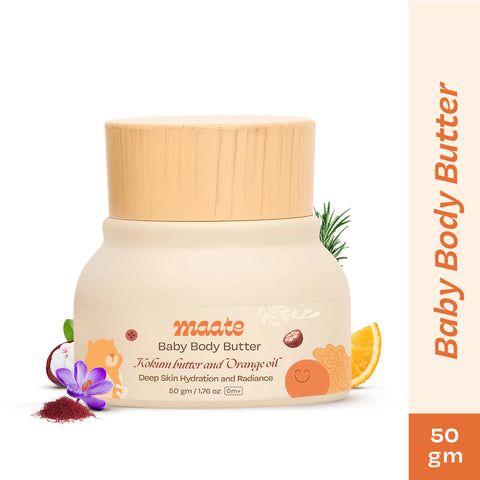
Brands like Maate focus on clean, minimal, and safe formulations designed specifically for delicate newborn skin, making them a thoughtful addition to your baby care routine. For localized care, using a baby face cream ensures the most delicate areas stay protected. You can find more detailed baby skin care tips to ensure your routine remains safe. Furthermore, as your baby grows, you might look for baby hair growth tips or general information on baby hair growth to maintain their holistic health.
Common Mistakes That Prevent Healthy Weight Gain
Sometimes, small mistakes can delay progress without parents realizing it.
- Feeding on a strict schedule instead of responding to hunger cues
- Not paying attention to latch and feeding quality
- Switching feeding methods too frequently without guidance
- Ignoring early signs of slow weight gain
- Skipping regular doctor visits
Avoiding these mistakes can make a noticeable difference in your baby’s growth.
When Should You See a Doctor
While many cases of slow weight gain can be managed at home, some situations require medical attention.
You should consult a doctor if your baby has not regained birth weight after 2 weeks, shows no steady progress, feeds poorly, or appears unusually weak or inactive.
Early intervention ensures that any underlying issue is addressed quickly and safely.
Expert Tips for Healthy Weight Gain
Consistent care and attention go a long way in supporting your baby’s growth.
- Feed your baby frequently and observe feeding cues
- Ensure proper latch and feeding technique
- Maintain a healthy diet and hydration as a mother
- Use gentle and safe baby care practices
- Monitor growth regularly and stay in touch with your pediatrician
Give Your Baby the Purest Start with Maate
Your baby’s growth is shaped by more than just feeding, it’s influenced by everything you use on their delicate skin and body.
At Maate, every product is designed with a simple belief: what touches your baby should be as pure as your love. With toxin-free, gentle formulations, Maate supports your baby’s comfort, care, and overall well-being, naturally.
Support your baby’s healthy growth with care that’s clean, safe, and thoughtfully made.
A Gentle Reminder for Parents
Every baby grows at their own pace. Instead of comparing, focus on consistency, care, and informed choices. Supporting your baby with proper feeding, attention, and safe products creates a strong foundation for healthy growth.
Choosing mindful baby care, including toxin free options like those from Maate, can complement your efforts and provide your baby with the comfort and care they deserve from the very beginning.
Frequently Asked Questions
Q1. How can I increase my newborn baby’s weight effectively?
Focus on frequent feeding, correct latch, and ensuring the baby is actually consuming enough milk. Monitoring diaper output and weight trends helps confirm progress.
Q2. Can a baby gain weight without formula?
Yes, many babies gain weight perfectly well through breastfeeding alone if feeding is effective and frequent. The formula is only needed if recommended by a doctor.
Q3. Is it normal for newborns to lose weight after birth?
Yes, it is normal for babies to lose some weight in the first few days. Most regain it within 10 to 14 days.
Q4. Will feeding more often increase weight faster?
Feeding more frequently ensures consistent calorie intake, which supports steady and healthy weight gain.
Q5. What are signs that my baby is not getting enough milk?
Fewer wet diapers, constant fussiness after feeding, and lack of weight gain can indicate insufficient intake.
Q6. Why is my baby feeding well but not gaining weight?
This may happen due to poor milk transfer, underlying health issues, or inefficient feeding. A pediatric evaluation can help identify the cause.
Q7. What role does baby massage play in weight gain?
Massage improves circulation, relaxation, and digestion, which can indirectly support better feeding and growth.
Q8. How long does it take for a newborn to start gaining weight?
Most babies begin gaining weight after the initial weight loss phase and show steady progress within the first 2 weeks.