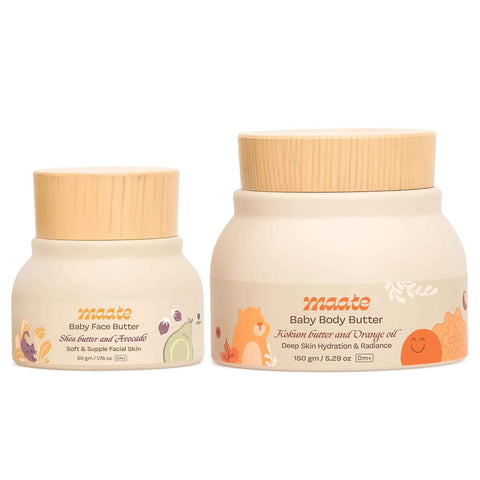
Your baby’s first solid meal is more than just a feeding milestone. It marks the beginning of nourishment beyond mother’s milk and carries deep cultural and emotional meaning. For many modern parents, this moment is thoughtfully planned with a blend of tradition and conscious parenting. Choosing safe, gentle, and natural baby care becomes equally important during such rituals, and many families today prefer Ayurvedic-inspired baby care solutions that align with both tradition and safety, such as those offered by Maate.
This guide will help you understand everything about annaprasana for baby boy, from its meaning and timing to rituals, food choices, and celebration ideas, so you can plan the ceremony with confidence and clarity.
What is Annaprasana for Baby Boy
Annaprasana is a traditional Hindu ritual that marks a baby’s first intake of solid food, usually rice or kheer. The word itself comes from Sanskrit where “anna” means food and “prasanna” refers to feeding or offering. For a baby boy, this ceremony is typically performed in the 6th or 8th month, depending on family traditions and astrological guidance.
Spiritual Importance in Tradition
In Hindu culture, Annaprasana is considered one of the important samskaras in a child’s early life. It symbolizes the transition from dependence on milk to beginning a lifelong relationship with food. The ritual also represents blessings for health, prosperity, and a strong future. Elders participate to offer their good wishes, making it a deeply emotional and sacred event.
Scientific Perspective
From a modern health standpoint, this timing aligns with when babies begin to require additional nutrients beyond breast milk. Soft foods like rice are easy to digest and gentle on the baby’s developing digestive system. This blend of cultural wisdom and biological readiness is what makes Annaprasana both meaningful and practical.
Best Time and Muhurat for Annaprasana for Baby Boy
Choosing the right time for the ceremony is considered very important. Families often consult priests or astrologers to determine an auspicious muhurat.
Ideal Age
For baby boys, Annaprasana is commonly performed in the 6th or 8th month. This timing is believed to be beneficial both spiritually and physically.
Selecting Muhurat
A suitable muhurat is chosen based on the baby’s birth chart, lunar calendar, and family traditions. Days associated with positive planetary alignment are preferred to ensure blessings and harmony.
Cultural Considerations
Different regions may have slight variations in timing and rituals. However, the essence remains the same, which is to introduce food in a sacred and celebratory way.
Annaprasana Vidhi: Step by Step Ritual Guide
Understanding the process helps parents plan the ceremony smoothly.
Preparation Before the Ceremony
- Clean and decorate the home or chosen venue
- Arrange puja items such as flowers, diya, rice, and sweets
- Dress the baby in comfortable traditional attire
- Prepare the first food, usually kheer or soft rice
Before dressing the baby, many parents prefer using a gentle Baby Face Cream to keep the baby’s delicate skin soft, nourished, and protected throughout the ceremony.
Main Ritual Steps
- Perform a small puja invoking blessings from deities
- The father or maternal uncle traditionally feeds the baby the first bite
- Elders bless the child with prayers and gifts
Post Ritual Traditions
- A playful ritual is conducted where objects like a book, pen, or coins are placed in front of the baby
- The object the baby picks is believed to symbolize future interests or career paths
- Family members celebrate with food and gathering
Some parents also enjoy exploring meaningful baby boy names during this milestone as part of family traditions and future naming inspiration.
What Food is Given in Annaprasana for Baby Boy
Food plays a central role in this ceremony, and it is chosen carefully to ensure safety and symbolism.
Traditional Foods
- Kheer made from rice, milk, and a small amount of sweetness
- Plain soft rice
- Mashed banana in some regions
Baby Friendly Variations
- Lightly mashed rice with breast milk or formula
- Thin porridge without sugar or spices
- Soft fruits mashed into smooth consistency
Foods to Avoid
- Spicy or salty foods
- Honey for babies under 1 year
- Hard or chunky foods that may cause choking
Parents today often balance tradition with pediatric advice to ensure the baby’s comfort and safety.
Annaprasana Decoration and Celebration Ideas
The ceremony can be simple or elaborate depending on family preference.
Home Celebration Ideas
- Floral decorations with marigold or fresh flowers
- Simple rangoli at the entrance
- A clean and peaceful setup for the ritual
Traditional and Modern Themes
- Traditional setups with brass utensils and ethnic decor
- Minimal modern decor with pastel themes
- Personalized backdrops with the baby’s name
Capturing Memories
- Professional photography or candid family moments
- Video recording of the ritual
- Keepsakes such as printed photos or memory books
Annaprasana Gift Ideas for Baby Boy
Gifting is an integral part of the ceremony and reflects blessings and affection.
Traditional Gifts
- Gold or silver items
- Religious symbols or idols
- Clothes for the baby
Practical Gifts
- Baby essentials like blankets or feeding sets
- Toys suitable for early development
- Books for early learning
Thoughtful Modern Choices
- Natural baby care products
- Organic clothing
- Ayurvedic baby wellness kits
How to Prepare Your Baby for Annaprasana
Preparing your baby ensures they remain comfortable throughout the ceremony.
Skin and Body Care
- Use gentle massage oils before the ritual
- Ensure the baby’s skin is moisturized and protected
- Avoid harsh or chemical based products
For babies with sensitive skin, applying a soothing Baby Face Cream For Dry Skin can help prevent irritation and dryness during long celebrations.
Bathing Ritual
- Give a warm bath before dressing the baby
- Use mild, natural cleansers suitable for sensitive skin
Comfort Tips
- Keep feeding sessions short and calm
- Ensure the baby is well rested before the ceremony
- Avoid overstimulation during the event
A nourishing Baby Moisturizer Cream For Face can also help maintain hydration and softness, especially during changing weather conditions.
Why Modern Parents Prefer Ayurvedic Baby Care
Today’s parents are increasingly mindful of what they use on their baby’s delicate skin.
Natural vs Chemical Products
- Natural products reduce the risk of irritation
- Herbal ingredients support skin health
Benefits of Ayurveda
- Gentle formulations rooted in traditional knowledge
- Balanced care for sensitive newborn skin
- Long term wellness approach
Blending Tradition with Modern Parenting
Using Ayurvedic baby care during rituals aligns beautifully with the essence of Annaprasana, where purity and nourishment are central themes. Many parents also choose a mild Newborn Baby Face Cream during the baby’s early months to support gentle skincare routines rooted in safety and comfort.
Final Thoughts
Annaprasana for baby boy is a beautiful blend of tradition, emotion, and new beginnings. It is not just about feeding solid food but about welcoming your child into a new phase of growth and nourishment. Thoughtful preparation, safe food choices, and gentle care can make this milestone even more meaningful.
Celebrate Your Baby’s First Milestone with Care and Purity
Your baby deserves the gentlest start as they step into this new phase of life. Choosing safe and natural baby care can make this special occasion even more meaningful.
Maate offers thoughtfully crafted Ayurvedic
baby care products that are designed to nurture your baby’s delicate skin with purity and care. From soothing oils to gentle cleansers, every product supports your baby’s comfort during important milestones like Annaprasana.
Explore Maate’s range and make your baby boy’s Annaprasana a celebration of tradition, safety, and love.
FAQs
Q1. What is the right age for Annaprasana for baby boy?
The ceremony is usually performed in the 6th or 8th month depending on tradition and the baby’s readiness for solid food.
Q2. Can Annaprasana be done at home?
Yes, many families prefer conducting the ceremony at home with a simple puja setup and close family members.
Q3. Is a priest necessary for the ritual?
While a priest adds traditional authenticity, families can also perform the ceremony themselves with basic rituals and prayers.
Q4. What if the baby refuses to eat during the ceremony?
It is completely normal. The ritual is symbolic, so even a small touch of food to the lips is considered sufficient.
Q5. What is the significance of feeding rice first?
Rice is easy to digest and symbolizes purity, nourishment, and prosperity in many cultures.
Q6. Can Annaprasana be celebrated in a modern way?
Yes, many parents blend tradition with modern elements such as themed decor and small gatherings.
Q7. What should the baby wear for Annaprasana?
Comfortable traditional clothing is ideal, ensuring the baby remains relaxed throughout the ceremony.
Q8. Are there any precautions to take during the ceremony?
Ensure the baby is well rested, avoid overcrowding, and use safe, gentle products to protect the baby’s skin and comfort.