Cradle cap is a common and harmless skin condition in babies that causes yellow or white flaky scales on the scalp. In most cases, it improves with gentle scalp care, regular cleansing using a mild baby shampoo, and moisturizing with natural oils. Avoid picking the flakes, and consult a pediatrician if the rash becomes inflamed, infected, or spreads significantly.
Cradle cap is one of the most common scalp conditions seen in newborns and infants. Although it may look concerning, it is usually harmless and temporary. Gentle daily care and the right baby-safe products can help loosen flakes and keep your baby's scalp healthy. At Maate, we believe every baby deserves gentle, nature-inspired care, which is why our thoughtfully crafted baby care essentials are designed to support delicate skin and hair from the very beginning.
What Is Cradle Cap?
Cradle cap, medically known as infant seborrheic dermatitis, appears as greasy, yellow, white, or brownish scales on a baby's scalp. It most commonly develops during the first few weeks or months after birth and often clears on its own within several months.
Although it mainly affects the scalp, cradle cap may also appear around the eyebrows, behind the ears, on the forehead, or in the folds of the neck.
The good news is that cradle cap is not contagious, isn't caused by poor hygiene, and usually doesn't make babies uncomfortable.
What Causes Cradle Cap in Babies?
The exact cause of cradle cap isn't fully understood, but several factors may contribute to its development.
Overactive Oil Glands
Babies may temporarily produce excess natural oils because of hormones passed from the mother before birth. These oils can trap dead skin cells, leading to flaky patches.
Natural Skin Cell Build-Up
As your baby's skin renews itself, dead skin cells may not shed as easily, resulting in visible scales on the scalp.
Skin Microbiome Changes
Every baby's skin has a delicate balance of natural microorganisms. Minor changes in this balance may contribute to the development of cradle cap.
It Is Not Caused by Poor Hygiene
One of the biggest misconceptions is that cradle cap happens because a baby's scalp isn't cleaned properly. In reality, even babies who receive excellent daily care can develop cradle cap.
Signs and Symptoms of Cradle Cap
Cradle cap is easy to recognize by its distinctive appearance.
Common signs include:
- Yellow or white greasy scales on the scalp
- Dry, flaky patches
- Mild redness beneath the flakes
- Thick crusty areas on the crown of the head
- Flakes extending to the eyebrows or behind the ears
Most babies do not experience itching or pain, making cradle cap more of a cosmetic concern than a medical one.
Is Cradle Cap Harmful?
Fortunately, cradle cap is usually harmless.
It does not spread from one baby to another, rarely causes discomfort, and often improves naturally with time. While the flakes may appear stubborn, they generally become easier to manage with gentle care.
However, if the affected skin becomes swollen, starts oozing, develops an unpleasant smell, or your baby seems unusually uncomfortable, it's best to consult your pediatrician.
Natural Remedies for Cradle Cap That Actually Work
Parents often look for safe, natural ways to manage cradle cap without using harsh products. These gentle remedies can help soften flakes while protecting your baby's delicate scalp.
Massage the Scalp with a Gentle Natural Oil
A light scalp massage helps soften stubborn flakes, making them easier to remove during bath time. Choose a pure, baby-safe oil that nourishes the scalp without irritating sensitive skin.
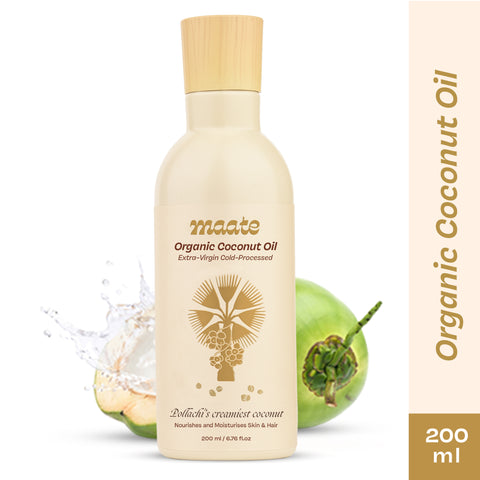
Maate Organic Coconut Oil – Extra Virgin | Cold Pressed is an excellent choice for gentle scalp massages. Rich in natural goodness, it helps moisturize delicate skin while supporting a healthy skin barrier.
Simply massage a small amount onto your baby's scalp, leave it on for 15–20 minutes, and gently cleanse afterward.
Wash with a Mild Baby Shampoo
Using a gentle shampoo removes excess oil and loosened flakes without stripping away the scalp's natural moisture.
Maate Tear Free Baby Shampoo – pH Balanced | Soap Free is specially formulated for delicate baby hair and scalp. Its mild, soap-free formula cleanses effectively while helping maintain the scalp's natural balance, making it suitable for regular use.
Wash your baby's hair two to three times a week or as recommended by your pediatrician anad finding the best oil for baby hair is also important.
Use a Soft Baby Brush
After washing, gently brush the scalp using a soft baby brush or fine baby comb to lift loose flakes.
Never scrape or peel the scales, as this may irritate the skin or increase the risk of infection.
Keep the Skin Well Moisturized
Healthy skin retains moisture better and is less prone to dryness. After your baby's bath, keeping the skin hydrated can support overall skin health.
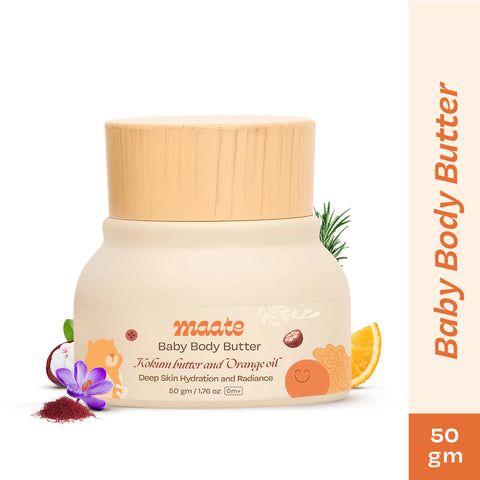
Maate Baby Body Butter provides deep nourishment for delicate baby skin, while Maate Baby Face Butter – Skin Protection | Deep Hydration helps maintain softness in exposed areas. Although these products are not treatments for cradle cap, they can become part of a gentle daily baby skincare routine that keeps your baby's skin comfortable and well cared for.
Natural Remedies to Avoid
Not every home remedy is suitable for a baby's sensitive skin.
Avoid:
- Scratching or picking at the flakes
- Using adult anti-dandruff shampoos
- Applying undiluted essential oils
- Washing the scalp excessively
- Using harsh soaps or alcohol-based products
Gentle care is always more effective than aggressive treatments.
When Should You See a Doctor?
While cradle cap is generally harmless, medical advice is recommended if:
- The rash spreads rapidly beyond the scalp.
- The skin becomes swollen or painful.
- There is bleeding, pus, or yellow discharge.
- Your baby develops a fever.
- Home care doesn't improve the condition after several weeks.
- You suspect eczema, psoriasis, or another skin condition.
Early medical guidance helps ensure your baby receives the right care if another condition is present.
How to Help Prevent Cradle Cap
Although cradle cap cannot always be prevented, these simple habits may reduce the likelihood of recurring flakes:
- Wash your baby's hair regularly with a mild baby shampoo.
- Massage the scalp gently before bath time.
- Brush the scalp softly after washing.
- Avoid heavy or harsh hair products.
- Keep your baby's scalp clean and moisturized without over-washing.
Consistency is more important than frequent cleansing.
Common Myths About Cradle Cap
Many parents come across conflicting advice online. Here are a few common myths explained.
-
Myth: Cradle cap is caused by poor hygiene.
Fact: It is not related to cleanliness. -
Myth: You should peel off all the flakes.
Fact: Removing flakes forcefully can damage delicate skin. -
Myth: Every baby needs medicated treatment.
Fact: Most cases improve with gentle home care. -
Myth: Cradle cap is contagious.
Fact: It cannot spread from one baby to another.
Give Your Baby the Gentle Care They Deserve with Maate
A baby's skin is naturally delicate, which is why every product you choose matters. At Maate, we combine the wisdom of nature with thoughtfully selected ingredients to create gentle newborn baby essentials that parents can trust.
Whether you're caring for your baby's scalp with Maate Organic Coconut Oil – Extra Virgin | Cold Pressed, cleansing with the Tear Free Baby Shampoo – pH Balanced | Soap Free, or nourishing delicate skin using the Baby Body Butter and Baby Face Butter – Skin Protection | Deep Hydration, every product is designed to support your little one's daily care routine with kindness and simplicity.
Explore Maate's range of nature-inspired baby care products and build a gentle routine that keeps your baby's skin and scalp healthy, soft, and comfortable every day.
Frequently Asked Questions
Q1. How can I remove cradle cap safely?
Massage your baby's scalp with a gentle natural oil, wash with a mild baby shampoo, and use a soft baby brush to remove only the loosened flakes. Never scratch or peel them off.
Q2. Can cradle cap go away on its own?
Yes. Most cases improve naturally within a few weeks or months, even without medical treatment.
Q3. Is cradle cap painful for babies?
No. Cradle cap is generally painless and usually doesn't cause itching or discomfort.
Q4. Will cradle cap come back after treatment?
It can return in some babies during the first year, but regular gentle scalp care often helps keep it under control.
Q5. What is the best oil for cradle cap?
A pure, baby-safe coconut oil is commonly used to soften flakes before washing. Choose a gentle formulation designed for delicate baby skin.
Q6. Why does my baby have cradle cap?
Cradle cap is thought to be linked to excess natural oils, skin cell build-up, and changes in the skin's microbiome. It is not caused by poor hygiene.
Q7. Can I use baby shampoo every day for cradle cap?
A mild, pH-balanced baby shampoo may be used as advised by your pediatrician. Over-washing should be avoided, as it can dry the scalp.
Q8. What should I avoid when treating cradle cap?
Avoid picking the flakes, using harsh shampoos, applying undiluted essential oils, or trying aggressive home remedies that may irritate your baby's delicate skin.