A delivery bag packing list ensures you have everything you need for labor, postpartum, and your newborn. Pack important documents, comfortable clothing, personal care items, baby clothing, feeding essentials, and partner support items. Prepare your bag by 32 to 36 weeks to stay organized, calm, and ready for any unexpected hospital visit.
Packing your delivery bag packing list well before the due date is one of the most reassuring steps toward a calm and supported birth experience. This detailed guide focuses on comfort, safety, and practicality, and includes suggestions for trusted natural products specifically for your baby’s delicate needs. Our brand, Maate, offers premium, natural, toxin‑free baby care products to gently nurture your newborn’s skin right from the first day, making them excellent additions to your delivery essentials.
When Should You Pack Your Delivery Bag?
Timing is critical when preparing your delivery bag packing list. Experts recommend packing your bag between 32 and 36 weeks of pregnancy. Early packing allows you to handle sudden hospital visits without stress.
Important considerations include:
- Watch for early labor signs such as regular contractions, fluid leakage, or sudden lower back pressure
- Keep a small labor essentials pouch within easy reach for unexpected trips
- Review and update your delivery bag packing list weekly as your due date approaches
Pro tip: Packing early avoids last-minute stress and ensures that all items, from documents to comfort essentials, are ready and organized.
Delivery Bag Packing List for Mom
Important Documents
A complete delivery bag packing list always starts with paperwork. You will need:
- Government-issued ID or passport
- Health insurance cards
- Hospital registration forms and medical records
Clothing and Comfort Wear
Comfortable clothing helps you feel at ease during labor and postpartum:
- Loose-fitting gowns or nightdresses
- Nursing bras and maternity underwear
- Comfortable socks or slippers
Toiletries and Personal Care
Personal care items are essential for your hygiene and comfort:
- Toothbrush, toothpaste, and mouthwash
- Lip balm and moisturizer
- Hairbrush, hair ties, and minimal makeup if desired
Using a mild baby body wash for yourself can be a gentle way to keep skin hydrated without harsh chemicals during your stay.
Postpartum Recovery Essentials
Your delivery bag packing list should include items to help your body recover:
- Maternity pads or disposable underwear
- Nursing pads to prevent leaks
- Soft, supportive bras for comfort
Comfort and Support Items
These small items make a big difference during your hospital stay:
- Phone and charger
- Healthy snacks and water
- Small pillow or blanket for added comfort
Delivery Bag Packing List for Baby
Clothing Essentials
Your baby will need a few carefully chosen clothing items:
- Onesies (3 to 4)
- Mittens and socks to keep hands and feet warm
- Soft hat or cap
Hygiene and Natural Skincare
Newborn skin is naturally sensitive, so include gentle, trusted baby products:
- Baby wipes and soft towels
- Diapers in newborn size
- Maate Ayurvedic Baby Powder (talc‑free) to keep delicate skin cool, dry, and irritation‑free, enriched with natural botanical extracts ideal for newborn care.
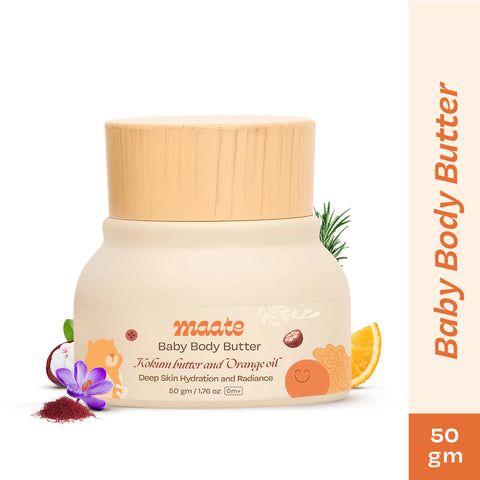
- Maate Baby Body Butter for deep hydration and protection against dryness and environmental stress is a thoughtful addition to your newborn's essentials.
- Maate Baby Massage Oil to gently nourish and hydrate your baby’s skin and support circulation and bone health, perfect for calming massage after bath time or during quiet bonding moments. Many parents choose products with safe baby shampoo ingredients to ensure the purest care from day one. You may even find yourself asking is baby shampoo good for adults or can adults use baby shampoo because these formulas are so gentle.
Feeding Essentials
- Bottles and formula, if required
- Burp cloths
- Nursing cover if desired
Sleep and Travel Items
- Swaddle or blanket for warmth
- Car seat for safe hospital discharge
Delivery Bag Checklist for Partner
Support for partners is often overlooked but essential. Include:
- A change of clothes for comfort
- Snacks and water to maintain energy
- Phone, camera, or video device
- A list of important contacts for emergency communication
A well-prepared partner can stay comfortable and focused on helping you and the baby during labor.
What Not to Pack in Your Delivery Bag
Overpacking can be overwhelming and unnecessary. Avoid including:
- Excessive clothing for yourself or the baby
- Jewelry or valuables
- Heavy electronics or items not immediately needed
- Extra baby products that the hospital already provides
Tip: Keeping your delivery bag packing list concise ensures you have everything essential without clutter or stress.
Pro Tips from Moms and Experts
- Pack two separate bags: one for labor essentials and one for postpartum recovery
- Keep frequently used items in compartments for easy access
- Label all items for quick identification
- Include hospital-friendly shoes, reusable water bottles, and small comfort items like a favorite blanket
Real mom tip: Midwives recommend keeping a few personal items that bring comfort, such as a favorite lip balm or a small essential oil roller for relaxation.
Printable Delivery Bag Packing Checklist
Mom Essentials
- ID, insurance, hospital records
- Loose-fitting gowns, nursing bras, and slippers
- Toothbrush, lip balm, moisturizer
- Maternity pads, nursing pads
- Pillow, phone, charger, snacks
Baby Essentials
- Onesies, mittens, socks, hat
- Diapers, baby wipes, and gentle lotion
- Swaddle, blanket, car seat
- Bottles, burp cloths
Partner Essentials
- Change of clothes
- Snacks and water
- Phone, camera, contacts
In warmer weather, using a baby massage oil for summer in your bag helps keep the baby's skin hydrated without feeling greasy or heavy..
Why Choosing Safe and Natural Baby Care Matters
Newborns have extremely sensitive skin that is prone to rashes and irritation. Choosing toxin-free, natural baby products reduces the risk of discomfort. Our brand provides Ayurveda-inspired skincare specifically designed for delicate newborn skin. Including these products in your delivery bag packing list ensures your baby’s first days are gentle, safe, and nurturing.
Final Thoughts: Pack Smart, Stay Calm
Preparation is the key to a stress-free hospital experience. By organizing your delivery bag packing list early, you ensure that labor and postpartum care focus on comfort, bonding, and the joy of welcoming your newborn. Being ready ahead of time allows you to remain calm and confident during this important milestone.
Build Your Baby’s First Care Kit with Maate
After your delivery, continue nurturing your baby with trusted, natural baby care products. Include carefully selected skincare items from Maate in your daily baby routine, such as Maate Baby Body Butter for deep hydration, Maate Ayurvedic Baby Powder for gentle skin protection, and Maate Baby Massage Oil for nourishment and bonding time. These premium products are crafted with gentle, toxin‑free, Ayurvedic ingredients to give your newborn the purest care possible.
Frequently Asked Questions
Q1. How should I pack my delivery bag?
Pack in stages, starting with documents, then clothing, toiletries, and baby essentials. Organize smaller items in separate pouches for easy access. Review your delivery bag packing list weekly to ensure nothing is forgotten.
Q2. Can I pack my hospital bag too early?
Yes, packing by 32 to 36 weeks is recommended. Early packing ensures you are ready for unexpected labor, allowing more time to relax and focus on final preparations.
Q3. Is it necessary to pack a separate bag for my partner?
Yes, partners need their own bag with clothes, snacks, and essential contacts. This ensures they can stay comfortable and support you effectively during labor.
Q4. Will hospitals provide baby essentials?
Many hospitals provide diapers, wipes, and basic clothing. However, packing additional items like gentle baby skincare and extra clothing ensures comfort and personal preference are met.
Q5. What should I pack for a C-section versus normal delivery?
For a C-section, include abdominal support garments, surgical-friendly clothing, and any prescribed pain relief. Normal deliveries require nursing bras, postpartum pads, and comfort items. Always refer to your delivery bag packing list.
Q6. Why should I choose natural baby care products?
Newborn skin is sensitive and can react to harsh chemicals. Natural, toxin-free products provide gentle care while minimizing the risk of irritation.
Q7. How many outfits should I pack for my baby?
Pack three to four onesies, two to three sleepers, and several socks or mittens. Hospitals may provide extra clothing, so avoid overpacking to keep your delivery bag packing list manageable.
Q8. Can I pack too many items in my delivery bag?
Yes, overpacking can lead to stress and clutter. Focus on essentials for mom, baby, and partner, along with natural skincare products, to ensure everything is functional and organized.