A hospital bag for delivery list should include all essentials for both mom and baby, as well as recovery items and important documents. Pack it between weeks 32 and 36 for a stress-free experience. Prioritize comfortable clothing, soft fabrics, nursing essentials, and minimal extras to avoid overwhelm.
Packing a hospital bag for delivery list can feel daunting, but it doesn’t have to be stressful. With the right guidance, you can create a practical, thoughtful bag that supports both you and your newborn. Preparing early ensures that when the day arrives, you have everything you need within reach. Focus on comfort, recovery, and essentials, and you’ll experience peace of mind. Start planning your hospital bag today for a smooth, calm arrival. If you are in your 2nd trimester of pregnancy or approaching later stages like 32 weeks pregnant, this is the ideal time to start planning your hospital bag for a smooth, calm arrival.
When Should You Pack Your Hospital Bag?
Knowing when to pack your hospital bag for delivery list is crucial to avoid last-minute stress. Experts recommend packing between weeks 32 and 36. Packing early gives you time to:
- Review all the essential items for both mom and baby
- Organize your bag so items are easy to access during labor and postpartum
- Ensure you haven’t forgotten key documents or comfort items
Signs that you should start packing earlier include previous early labor, a high-risk pregnancy, or if you simply prefer being fully prepared. Waiting too long can result in a rushed, chaotic experience that adds unnecessary stress. By planning ahead, you give yourself the confidence that everything you need is ready.
Why a Thoughtful Hospital Bag Matters
A well-prepared hospital bag for delivery list does more than just hold items; it can improve your physical and emotional experience during labor and postpartum recovery. A thoughtful bag:
- Reduces stress and helps you focus on the birth
- Provides essential items for comfort and hygiene during your stay
- Supports the newborn with everything needed for the first few days
Choosing the right items can make a significant difference in your recovery and the way you care for your baby. A hospital bag packed with intention ensures that you feel prepared, confident, and calm, allowing you to enjoy the first precious moments with your newborn.
The Complete Hospital Bag for Delivery List
Essentials for Mom Before, During and After Delivery
When packing your hospital bag for delivery list, prioritize comfort and practicality. Essential items for mom include:
- Comfortable clothing with front openings for labor and nursing
- Maternity pads for postpartum bleeding
- Nursing bras to support breastfeeding
- Toiletries such as a toothbrush, shampoo, soap, and moisturizer
- Slippers and socks to keep feet warm and protected
- Phone with charger for communication and photos
- Important medical documents, including insurance, ID, and prenatal records
For skin comfort during your stay, you can explore nourishing options like Best Natural Baby Lotion, which some mothers also use for mild hydration on sensitive skin. While originally formulated for babies, the nourishing ingredients like shea butter and kokum butter can also provide soothing moisture during recovery when skin may feel sensitive.
Postpartum Recovery Must-Haves
Many new mothers overlook items that help with recovery after birth. Your hospital bag for delivery list should include:
- Perineal care products to soothe and support healing
- Loose and soft garments for comfort and ease
- Hydration essentials like water bottles or electrolyte drinks
- Healthy snacks to maintain energy levels during recovery
- Emotional comfort items, such as a journal or small personal keepsakes
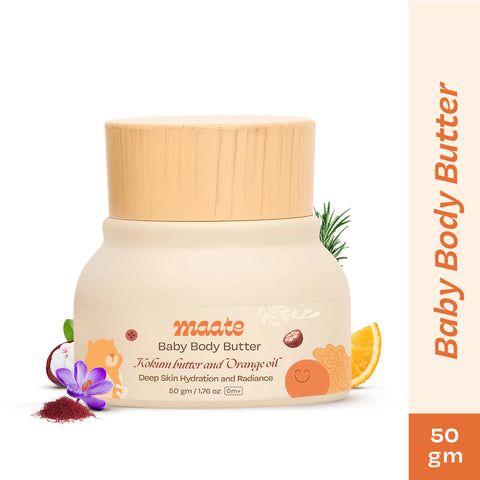
For postpartum skin and body care, Maate Baby Body Butter is a gentle, natural‑based moisturizer that can be used by new moms to care for dry skin areas that sometimes accompany hormonal changes after birth.
Essentials for Your Baby
Packing for your newborn is equally important in your hospital bag for delivery list. Essential items include:
- Soft, breathable clothing to protect delicate skin
- Swaddles to help baby feel secure and comfortable
- Mittens and caps to prevent scratching and maintain warmth
- Diapers for immediate use at the hospital
- Baby blankets for extra comfort and warmth
Selecting gentle, skin-friendly fabrics is key to keeping your baby comfortable during the first days outside the womb. For delicate newborn skincare, consider gentle options like Baby Face Cream or seasonal care like Baby Lotion For Summer to keep your baby’s skin soft and protected.
Important Documents and Hospital Essentials
Don’t forget to include the necessary paperwork in your hospital bag for delivery list:
- Identification proof for mom and, if possible, partner
- Health insurance documents
- Medical records, including prenatal checkups and test results
- A birth plan, if you have specific preferences for labor and delivery
Keeping these documents easily accessible will make admission smoother and reduce stress during your hospital stay.
Optional But Helpful Items
While optional, these items can add comfort and convenience:
- Personal pillow from home for added comfort
- Music or relaxation tools to reduce stress during labor
- A camera to capture early memories
- Extra tote bag for snacks, personal items, or gifts
What Not to Pack in Your Hospital Bag
Overpacking can lead to frustration and unnecessary stress. Avoid packing:
- Excessive clothing that will not be worn
- Jewelry or valuables that could get lost
- Full makeup kits or non-essential beauty items
- Extra baby items beyond what the hospital provides
Keeping your hospital bag for delivery list simple and practical ensures you have only what is truly necessary for a comfortable hospital stay.
Pro Tips from Experienced Moms
Real mothers offer valuable insights on organizing a hospital bag for delivery list:
- Pack items in separate compartments for easier access
- Keep frequently used items within reach
- Prepare a smaller mini-bag with snacks, documents, and essential comfort items
- Choose breathable and soft fabrics that feel gentle on sensitive skin
Implementing these practical tips can make your hospital experience smoother and more manageable
How to Choose the Right Clothing for Your Hospital Bag
Clothing is central to your hospital bag for delivery list. Consider the following:
- Breathable fabrics like cotton or bamboo allow air circulation and comfort
- Soft, non-irritating materials are ideal for sensitive post-delivery skin
- Front-opening tops and dresses support easy breastfeeding
- Loose-fitting garments prevent discomfort and pressure on sensitive areas
Thoughtful clothing choices not only support your body’s recovery but also improve emotional well-being during your hospital stay.
A Thoughtful Hospital Bag Starts with What You Wear
What you wear directly affects your comfort and recovery after delivery. In your hospital bag for delivery list, include:
- Clothing with soft, breathable fabric for comfort and healing
- Loose outfits for unrestricted movement and recovery
- Nursing-friendly tops to make breastfeeding simpler
- Items that make you feel confident and cared for during your stay
A thoughtful approach to what you pack can transform your hospital experience, allowing you to focus on bonding with your newborn rather than worrying about discomfort or missing essentials.
Discover Maate’s Natural Mother & Baby Wellness Essentials
At Maate, care begins with nature and nurtures every moment of your motherhood journey. Founded with a deep respect for traditional wisdom and enriched with modern natural formulations, Maate offers a thoughtful range of premium, toxin‑free products designed for both mothers and babies. Each item blends gentle, Ayurvedic‑inspired ingredients with mindful craftsmanship, because your newborn’s delicate skin and your recovery deserve pure, effective care you can trust. From soothing body oils and hydrating balms to essential baby care products, Maate brings nature’s nurturing touch into your daily routine.
Explore the Maate collection to support your comfort, health, and wellness with products that are as safe as they are nourishing. Choose Maate for motherhood essentials that feel like gentle care from nature itself.
Conclusion
A hospital bag for delivery list should focus on essentials, comfort, and practicality. By packing thoughtfully, prioritizing soft fabrics, and including items for both mom and baby, you create a stress-free environment for your hospital stay. Preparing early ensures peace of mind and allows you to focus on recovery, bonding, and enjoying those first precious moments with your newborn. Start planning your hospital bag today and keep it simple, practical, and comforting.
Frequently Asked Questions
Q1. How should I organize my hospital bag for delivery list?
Organize items into sections for mom, baby, documents, and optional extras. Keep essentials within reach and pack a small mini-bag for immediate use.
Q2. Can I buy items for my hospital bag later?
Yes, but core essentials should be packed by weeks 32 to 36. Last-minute purchases can increase stress.
Q3. Is it necessary to pack separate outfits for C-section and vaginal delivery?
Yes, front-opening clothing and loose garments are essential for C-section recovery and easy nursing.
Q4. Will I need a separate bag for postpartum recovery?
A mini-bag for postpartum items such as snacks, perineal care products, and nursing essentials can be very helpful.
Q5. What should I include for my newborn in the hospital bag?
Soft clothing, swaddles, mittens, caps, diapers, and a blanket are essential for the first few days.
Q6. Why is fabric choice important in a hospital bag for delivery list?
Soft, breathable fabrics protect sensitive skin, aid recovery, and increase overall comfort for both mom and baby.
Q7. How many outfits do I need for mom and baby?
3 to 4 outfits for mom and 3 to 5 outfits for baby are usually sufficient for a 2 to 3-day hospital stay.
Q8. What are common mistakes when packing a hospital bag for delivery list?
Overpacking clothes, forgetting key documents, and bringing non-essential items are common mistakes that increase stress.