A newborn baby shopping list should include essential clothing, diapers, feeding supplies, bathing products, skincare, sleeping arrangements and travel accessories. Parents should prioritise safe, comfortable and age-appropriate products for the first few months rather than buying everything at once. A well-organised checklist makes preparation easier and more practical.
Preparing a newborn baby shopping list is one of the first exciting steps towards welcoming your little one. From tiny outfits to everyday skincare, knowing what you actually need makes shopping easier. At Maate, we believe thoughtful baby care starts with gentle, mindful choices. Let's explore the essentials every new parent should consider.
What Should Be Included in a Newborn Baby Shopping List?
A newborn needs a few everyday essentials to stay comfortable, clean, nourished and safe. Before shopping, divide your requirements into categories so you can prioritise what matters most.
Here is a quick overview of the main things to buy:
- Clothing: Cotton onesies, sleepsuits, socks, caps and mittens.
- Feeding: Feeding bottles, burp cloths, bibs and breastfeeding supplies, depending on your feeding routine.
- Diapering: Newborn diapers, baby wipes, changing mats and diaper rash cream.
- Bathing: Baby cleanser, shampoo, soft towels and washcloths.
- Skincare: Baby moisturiser and suitable massage oil.
- Sleeping: A cot or bassinet, fitted sheets and appropriate sleepwear.
- Travel: Diaper bags, strollers and an infant car seat.
You can use this list of newborn baby essentials as a starting point and adjust it according to your baby’s needs, the season and your family’s routine.
1. Newborn Baby Clothing Essentials
Newborn clothing should feel soft, comfortable and easy to change. Since babies require frequent outfit changes, having a few practical options ready can make everyday routines simpler.
Consider adding these items to your baby shopping list:
- 6–8 cotton onesies or bodysuits.
- 4–6 sleepsuits or rompers.
- 4–6 pairs of socks.
- 2–3 soft caps, depending on the weather.
- 2–3 pairs of mittens, if needed.
- 4–6 muslin cloths.
- 2–3 swaddling cloths.
Choose breathable fabrics that are comfortable against delicate newborn skin. Since the average weight of newborn baby varies, avoid buying too many newborn-sized outfits because babies grow quickly during their first few months.
2. Newborn Feeding Essentials
Feeding is an important part of your baby's daily routine. Your requirements will depend on whether you breastfeed, formula-feed or combine both methods.
Some useful essentials include:
- Feeding bottles, if required.
- Burp cloths and bibs.
- Bottle-cleaning brushes.
- Sterilising equipment, if using bottles.
- Breast pads and nursing accessories, if needed.
- Formula-feeding supplies, where applicable.
If you are new to nursing, read up on how to breastfeed newborn baby, as parents who breastfeed may not need every bottle-feeding accessory immediately. Start with the basics and add products according to your feeding requirements.
3. Newborn Diapering Essentials
Newborns need frequent diaper changes, so keeping changing supplies organised can make daily care more convenient.
Your newborn baby shopping list should include:
- Newborn-sized disposable or reusable diapers.
- Baby wipes.
- A washable changing mat.
- Diaper disposal bags.
- A diaper organiser.
- Diaper rash cream.
Maate Baby Wipes 99% Water can be considered for everyday cleaning routines, while Maate Diaper Rash Cream is a relevant addition to your diaper-care essentials.
Change diapers regularly and keep the baby's diaper area clean and dry. If persistent redness or irritation develops, seek advice from your paediatrician.
4. Newborn Bathing and Hygiene Essentials
Bath time is an opportunity to establish a gentle hygiene routine. Newborns do not need daily full baths; sponge bathing may be suitable until the umbilical cord stump falls off, following your healthcare professional's guidance.
Keep these essentials ready:
- A baby bathtub or suitable bathing setup.
- Soft cotton towels.
- Gentle washcloths.
- Baby shampoo.
- A suitable baby cleanser.
- A soft grooming brush.
For everyday cleansing, Maate offers products such as:
- Maate Baby Head to Toe Wash: An option for cleansing your baby's body and hair.
- Maate Baby Shampoo: A baby hair-cleansing product.
- Maate Baby Bathing Bar: Another option for your baby's bathing routine.
Choose age-appropriate products and follow their usage instructions.
5. Newborn Skincare Essentials
Newborn skin is delicate and needs thoughtful everyday care. A simple skincare routine with suitable products is generally more practical than using several products unnecessarily.
Consider these essentials:
- Baby moisturiser.
- Baby face moisturiser, such as a baby face cream for dry skin.
- Baby body moisturiser.
- Baby massage oil.
- Diaper rash cream.
Maate's baby-care range includes products that fit naturally into these routines:
- Maate Baby Face Butter: For everyday facial moisturising, much like a newborn baby face cream.
- Maate Baby Body Butter: An option for body moisturising.
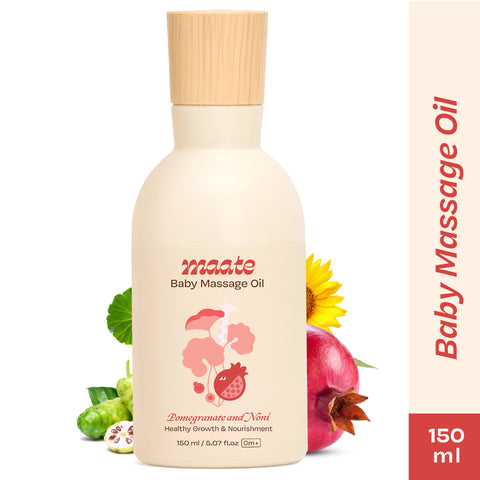
- Maate Baby Massage Oil: For parents who wish to include gentle massage in their baby's care routine.
- Maate Baby Hair Oil: An option for a gentle hair-care routine.
Always check product age suitability and ingredient information before use. Introduce new skincare products thoughtfully, particularly if your baby has sensitive or irritated skin.
6. Newborn Sleeping Essentials
A comfortable and safe sleeping environment is one of the most important preparations for your baby's arrival.
Include these essentials:
- A sturdy baby cot or bassinet.
- A firm, flat sleep surface.
- A properly fitted mattress sheet.
- Suitable baby sleepwear.
- An appropriate wearable blanket, if needed.
For safer sleep, always place your baby on their back. Keep pillows, loose blankets, soft toys and other soft objects outside the baby's sleeping space. Avoid overheating and follow recognised safe-sleep guidance.
7. Newborn Travel Essentials
Whether you are visiting family or attending a paediatrician appointment, a few travel essentials can make outings easier.
Consider purchasing:
- An infant car seat appropriate for your baby's size.
- A newborn-compatible stroller.
- A suitable baby carrier.
- A spacious diaper bag.
- Extra clothes and muslin cloths.
- Portable changing supplies.
Choose age-appropriate equipment and check its safety instructions before use.
8. New Baby Essentials List for the First Three Months
You do not need to purchase everything before delivery. Some requirements become clearer once you understand your baby's routine.
During the first month:
- Basic clothing and diapers.
- Feeding supplies.
- Bathing and hygiene essentials.
- Essential skincare products.
- Safe sleeping arrangements.
During months two and three:
- Additional clothes as your baby grows.
- Replenished diapering supplies.
- Feeding accessories according to changing requirements.
- Additional grooming and hygiene products, if needed.
This approach helps you manage your new baby essentials list without unnecessary purchases.
9. What Baby Products Can You Skip Initially?
Not every product marketed to new parents is essential. Some items can wait until your baby's needs become clearer.
You can postpone purchasing:
- Excessive newborn-sized clothing.
- Too many toys, decorative accessories or duplicate newborn baby gifts.
- Multiple baby skincare products serving similar purposes.
- Extra nursery furniture that is not immediately useful.
- Unnecessary feeding accessories.
Focus on quality, safety and everyday usefulness instead of quantity.
10. How to Prepare a Budget-Friendly Newborn Baby Shopping List
Preparing for a baby can involve several expenses, but thoughtful planning helps keep purchases manageable.
Here are some practical tips:
- Set a budget for each shopping category.
- Prioritise products needed immediately after birth.
- Compare product quality and age suitability.
- Purchase clothing in manageable quantities.
- Avoid duplicate purchases.
- Keep optional items for later.
A little planning can help you create a practical shopping routine without compromising on your baby's everyday needs.
Welcome Your Little One with Thoughtful Care from Maate
Preparing for your baby is about more than shopping for tiny clothes and everyday accessories. It is about creating a comfortable environment where your little one can receive the care and attention they deserve.
At Maate, we believe baby care should be thoughtful, gentle and rooted in nature-inspired traditions. From Baby Massage Oil and Baby Head to Toe Wash to Baby Face Butter, Baby Body Butter and Baby Wipes, our collection supports different parts of your baby's everyday care routine.
Explore Maate's baby-care collection and discover thoughtful essentials for your little one's precious early days. Because every little moment of care matters.
Frequently Asked Questions
Q1. How early should I prepare for my newborn's arrival?
Start preparing during the second or early third trimester. This gives you enough time to organise essential purchases, compare products, and pack your hospital bag without rushing.
Q2. What are the most important newborn baby items?
The most important items include comfortable clothing, diapers, feeding supplies, bathing products, basic skincare, a safe sleeping space, and suitable travel equipment.
Q3. Can I use regular skincare products on my newborn?
No. Adult skincare products are not formulated specifically for newborn skin. Choose age-appropriate baby-care products and check their ingredients and usage instructions before applying them.
Q4. Is a baby shopping list necessary before delivery?
Yes. A checklist helps parents organise essential purchases, avoid duplicate items, and prepare for everyday newborn care before the baby arrives.
Q5. Will I need to buy more baby essentials after the first month?
Yes. Babies grow quickly, and their clothing sizes, feeding requirements, and daily routines change. You can purchase additional items as your baby's needs become clearer.
Q6. Why should I choose gentle baby-care products?
Newborn skin is delicate and requires appropriate care. Choosing age-suitable products with clearly listed ingredients helps parents make informed decisions about their baby's daily skincare routine.
Q7. What should I pack in my newborn's hospital bag?
Pack a few newborn outfits, diapers, soft cloths, a going-home outfit, and other items requested by your hospital. Keep important hospital documents and a suitable infant car seat ready for discharge.
Q8. How can I make my newborn shopping more affordable?
Prioritise essential products, purchase manageable clothing quantities, compare quality, and avoid unnecessary accessories. Buying items according to your baby's actual requirements also helps control spending.