The normal temperature of a newborn baby ranges between 36.5°C and 37.5°C. Because newborns cannot regulate their body temperature efficiently, even small changes can affect their comfort and health. Maintaining the right clothing, room environment, and gentle care practices helps keep your baby safe and stable.
Newborns are highly sensitive to environmental changes, which means parents must take extra care to keep them comfortable. Many parents today are also becoming more mindful about using gentle, natural care products, such as baby body wash and baby shampoo offered by Maate, to support their baby’s delicate skin and overall comfort. In this guide, you will learn how to monitor, manage, and maintain your newborn’s temperature effectively.
What Is the Normal Temperature of a Newborn Baby?
Ideal Temperature Range Explained
A healthy newborn’s body temperature should stay within a narrow and stable range.
- Normal temperature in Celsius is between 36.5°C and 37.5°C
- In Fahrenheit, this corresponds to 97.7°F to 99.5°F
It is important to understand that slight variations can occur throughout the day. These changes may depend on feeding, sleep cycles, or the surrounding environment. However, consistent readings outside this range should not be ignored.
Why Newborns Cannot Regulate Temperature Well
Newborn babies are still developing their ability to regulate body temperature. Unlike adults, they cannot easily adjust to heat or cold.
- Their thermoregulation system is immature
- They have less body fat, which reduces insulation
- Their body loses heat more quickly due to a larger surface area
Because of these factors, newborns rely heavily on caregivers to maintain a stable and comfortable environment.
Why Maintaining the Right Temperature Matters
Risks of Low Temperature
When a newborn’s body temperature drops below normal, it can lead to hypothermia. This condition can be serious if not addressed promptly.
- Signs include cold skin, especially on the chest and abdomen
- Babies may appear lethargic or less responsive
- Feeding patterns may become weak or irregular
Low temperature often occurs when a baby is underdressed or exposed to a cold environment.
Risks of High Temperature
Overheating can be equally concerning and may lead to discomfort or even medical complications.
- Symptoms include sweating, flushed skin, and irritability
- Babies may become restless or have difficulty sleeping
- A temperature above 38°C is considered a fever and requires medical attention
Maintaining balance is key, as both extremes can affect your baby’s health.
How to Check Your Baby’s Temperature Correctly
Best Methods to Use
Checking your baby’s temperature accurately is essential for monitoring their health.
- A digital thermometer is the most reliable option
- The underarm method is the safest and most commonly recommended for newborns
This method is gentle and provides a reasonably accurate reading without causing discomfort.
When You Should Check Temperature
Regular monitoring is not always necessary, but there are specific situations when it becomes important.
- If your baby feels unusually warm or cold
- During illness or after vaccinations
- When there is a noticeable change in behavior or feeding
Being attentive to these moments can help you respond quickly if something is wrong.
Signs Your Newborn Is Too Hot or Too Cold
Signs of Overheating
Recognizing overheating early can prevent discomfort and complications.
- The baby may sweat or feel damp
- Skin may appear red or flushed
- Breathing may become faster than usual
- The baby may seem unusually fussy
Signs of Being Too Cold
Cold stress can also affect a newborn’s well-being.
- The chest or back may feel cool to the touch
- Skin may appear pale
- The baby may be less active or unusually quiet
Observing these signs carefully can help you take timely action.
How to Maintain the Normal Temperature of a Newborn Baby
Dress Your Baby Appropriately
Clothing plays a significant role in maintaining body temperature.
- Dress your baby in one more layer than what you are comfortable wearing
- Avoid excessive layering indoors
- Choose soft and breathable fabrics, along with gentle products like baby face cream to keep skin nourished
Maintain a Comfortable Room Environment
The room temperature should be kept stable and moderate.
- Ideally between 20°C and 22°C
- Avoid direct exposure to fans or air conditioning
- Ensure proper ventilation without drafts
Use Skin-to-Skin Contact
Skin-to-skin contact is one of the most effective natural ways to regulate temperature.
- Helps stabilize body temperature
- Promotes bonding between parent and baby
- Provides emotional comfort
Practice Safe Swaddling
Swaddling can help your baby feel secure, but it must be done correctly.
- Use lightweight and breathable materials
- Avoid wrapping too tightly
- Ensure the baby does not overheat
Choose Gentle and Breathable Products
Products that come into contact with your baby’s skin can influence comfort.
- Avoid synthetic or harsh materials
- Use natural and toxin-free options
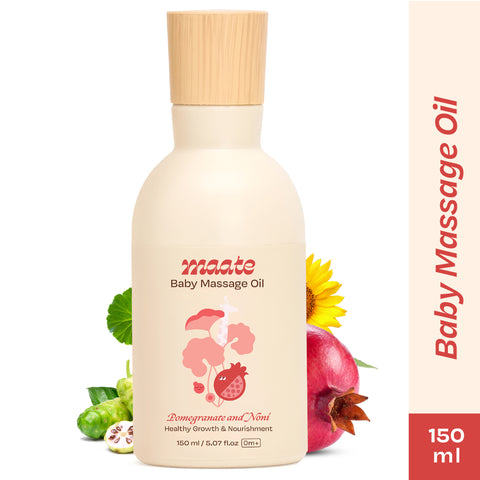
- Gentle care products like baby massage oil can support better temperature balance
For overall care routines, following expert-backed baby skin care tips can further help maintain your newborn’s comfort.
Seasonal Care Tips for Newborn Temperature
Summer Care
During warmer months, preventing overheating becomes a priority.
- Dress your baby in lightweight cotton clothing
- Keep the baby in a shaded and cool area
- Avoid direct sunlight exposure
Winter Care
Cold weather requires additional attention to warmth.
- Use layers instead of heavy clothing
- Cover the baby’s head and feet
- Maintain indoor warmth without overheating
Expert Tips for First-Time Parents
Caring for a newborn can feel overwhelming, but a few simple practices can make a big difference.
- Always check the baby’s chest or back instead of hands or feet
- Maintain a consistent routine for feeding and sleep
- Observe your baby’s behavior closely, as it often reflects comfort levels, Support overall hygiene and scalp care with guidance from baby hair growth tips and baby hair growth
- Trust your instincts and seek advice when unsure
When to Call a Doctor
There are situations where professional medical advice is necessary.
- If the temperature rises above 38°C
- If the baby remains unusually cold despite warming efforts
- If there are changes in feeding, crying, or responsiveness
Early intervention can prevent complications and ensure your baby’s safety.
Why Natural and Gentle Care Matters
A newborn’s skin plays a vital role in temperature balance. Harsh fabrics or chemical-heavy products can disrupt comfort and cause irritation.
Brands like Maate focus on gentle, toxin-free, and breathable baby care solutions, inspired by traditional wisdom and designed for delicate newborn needs. Choosing such products can support better comfort and overall well-being.
Conclusion
Maintaining the normal temperature of a newborn baby is one of the most important aspects of early care. With careful attention to clothing, environment, and daily habits, you can ensure your baby remains comfortable and safe. Small, consistent efforts can make a significant difference in your baby’s health and happiness.
Caring for your newborn begins with the smallest details, including how you protect their comfort every day. Thoughtfully chosen, gentle products can make a meaningful difference in maintaining your baby’s well-being. Explore the nurturing approach of Maate and discover care that is designed to support your baby with purity, safety, and warmth from the very beginning.
Frequently Asked Questions
Q1. How can I check my newborn’s temperature at home?
Use a digital thermometer under the arm for a safe and accurate reading. Ensure the thermometer is placed correctly and wait until it beeps before noting the result.
Q2. How do I keep my newborn warm without overheating?
Dress your baby in light layers and monitor the room temperature. Check the chest or back regularly to ensure your baby feels comfortably warm, not hot.
Q3. Can a newborn’s temperature change during sleep?
Yes, slight changes can occur during sleep due to reduced activity and environmental conditions. These variations are normal as long as they remain within the healthy range.
Q4. Is 36°C normal for a newborn baby?
A temperature of 36°C is slightly below the normal range and may indicate mild hypothermia. It is important to warm the baby gently and monitor closely.
Q5. Will using a fan or air conditioner affect my baby?
Yes, direct exposure can make your baby too cold. Keep airflow indirect and maintain a moderate room temperature to ensure comfort.
Q6. What is considered a fever in newborn babies?
A temperature above 38°C is considered a fever and requires immediate medical attention.
Q7. What should a newborn wear at night?
Your baby should wear comfortable, breathable clothing with one additional light layer. Avoid heavy blankets or excessive covering.
Q8. Why is my newborn’s temperature slightly higher after feeding?
A slight increase can occur after feeding due to metabolic activity. This is usually normal if the temperature remains within the healthy range.