Baby dry skin in winter is often caused by cold air, low humidity, indoor heating, and bathing with hot water or harsh cleansers. Help protect your baby’s skin with short, lukewarm baths, gentle cleansing, regular use of an age-appropriate moisturizer, and soft clothing. Consult a pediatrician if dryness persists or becomes inflamed.
Baby dry skin in winter can turn an ordinary bath or dressing routine into a source of concern for parents. Cold weather and dry indoor air can leave delicate skin feeling rough, flaky, or uncomfortable. The good news is that a few gentle daily habits can help protect your baby’s skin. Understanding what causes winter dryness is the first step towards a more comfortable skincare routine. For a wider overview, you can read more about baby skin care in winter.
Why Does Baby Skin Get Dry in Winter?
A baby’s skin is delicate and still developing its protective barrier. During winter, cold outdoor air, low humidity, and indoor heating can increase moisture loss, making skin feel dry or tight. Certain bathing habits and skincare products can contribute to the problem, too. If you are caring for a very young baby, this guide on how to take care of newborn baby in winter may also help.
Here are some common reasons for winter dryness:
- Cold air and low humidity: Dry conditions can make it harder for the skin to retain moisture.
- Indoor heating: Heated rooms can have low humidity, contributing to skin dryness.
- Hot or prolonged baths: Hot water and long baths can strip away the skin’s natural oils.
- Harsh cleansers: Strong soaps, fragrances, and other irritating ingredients may aggravate sensitive skin.
- Friction and drool: Repeated wiping, saliva, and rubbing against clothing can irritate exposed areas, especially the cheeks and chin.
Mild peeling can also occur naturally in newborns during the first few weeks of life. However, persistent redness, significant discomfort, or worsening dryness should not automatically be attributed to the weather. Because bathing habits play a part, it helps to know how often to bathe newborn in winter.
What Does Winter Dryness on a Newborn’s Skin Look Like?
Winter dryness can appear differently from one baby to another. Recognising the signs helps parents decide whether simple skincare adjustments are appropriate or whether medical advice is needed.
Flaky Skin and Mild Peeling
Small flakes or areas of peeling may appear on a newborn’s hands, feet, or body. Mild peeling shortly after birth can be normal as the skin adjusts to its new environment.
Rough Patches and Tight-Looking Skin
Dry skin may feel rough when touched or appear slightly scaly. It can affect the cheeks, arms, legs, and other exposed areas.
Redness and Persistent Irritation
Red, itchy, cracked, or inflamed patches may indicate more than ordinary dryness. Eczema and other skin conditions can resemble winter dryness, so persistent symptoms deserve professional assessment.
Avoid scrubbing peeling skin or trying to remove flakes manually. Gentle care is preferable to aggressive exfoliation, particularly for newborns.
How to Help a Baby With Dry Skin
The most effective starting point is a simple routine that protects the skin barrier without exposing your baby to unnecessary products or irritants.
1. Choose a Gentle Baby Cleanser
Bathing helps keep your baby clean, but excessive washing can worsen dryness. Use lukewarm water and a mild, fragrance-free cleanser when needed. Keep baths short, and avoid bubble baths, harsh soaps, and vigorous rubbing. A gentle baby body wash can suit this step.
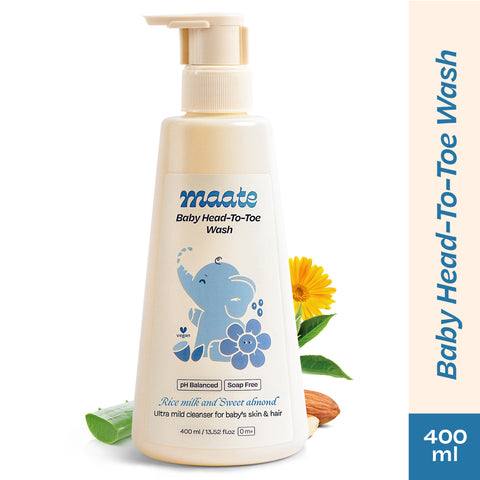
Maate Baby Body Wash is an option to consider when choosing a baby cleanser. Check its current ingredient list, age guidance, and directions before use, particularly for a newborn or a baby with sensitive skin.
2. Moisturize After Bathing
One of the simplest ways to manage dry skin is to apply a suitable moisturizer soon after bathing. A light baby lotion is one easy format to consider.
Follow these steps:
- Gently pat the skin dry with a soft towel rather than rubbing.
- Leave the skin slightly damp.
- Apply an age-appropriate moisturizer according to its label.
- Reapply as needed, following the product directions.
Maate Baby Butter Lotion is an option for everyday moisturizing. Its formulation includes nourishing butters and oils intended to support skin hydration. Choose a product that suits your baby’s age and skin needs, and discontinue it if irritation develops.
3. Give Dry Areas Extra Attention
Pay attention to areas that frequently become dry, such as the elbows, knees, legs, and cheeks. Use a suitable moisturizer rather than applying several different products at once. A baby lotion for winter is made with colder months in mind.
Maate Baby Body Butter may be considered when a richer moisturizing texture is preferred. Introduce new products carefully and avoid applying them to broken or infected skin unless a healthcare professional advises otherwise.
4. Protect Your Baby’s Facial Skin
A baby’s cheeks can become irritated by cold air, drool, and repeated wiping. Clean the face gently with water when needed, pat it dry, and avoid rubbing the skin. For delicate cheeks, a baby face cream for winter is another option to consider.
Maate Baby Face Butter is another option to explore for facial moisturization. Check the product's recommended age, ingredients, and directions before applying it, especially to newborn skin.
5. Dress Your Baby in Soft, Breathable Clothing
Warmth matters during winter, but too many layers can cause overheating and sweating, which may aggravate irritation.
- Choose soft, breathable fabrics.
- Avoid rough materials that rub against dry patches.
- Wash clothes with a mild detergent suitable for sensitive skin.
- Dress your baby comfortably rather than relying on excessive layers.
Keep your baby's environment comfortable and follow established safe-sleep guidance instead of using loose blankets or heavy bedding in the cot.
How to Choose the Right Moisturizer for Baby Dry Skin in Winter
Not every moisturizer works the same way. The right choice depends on the formulation, the baby’s age, the area being treated, and how the skin responds. Some parents also use a baby massage oil as part of a gentle routine, provided it suits their baby’s age and skin.
Baby Lotion vs. Body Butter
Lotions generally have a lighter texture and spread easily over larger areas. Body butters are often richer and may be preferred for areas that need more substantial moisturization.
When comparing products, consider:
- Ingredients: Look for suitable moisturizing ingredients and avoid known irritants.
- Fragrance: Fragrance-free products are generally a sensible choice for sensitive skin.
- Age suitability: Confirm that the product is intended for your baby’s age group.
- Skin response: Stop using a product if it causes redness, itching, or irritation.
Natural and plant-derived ingredients are not automatically suitable for every baby. A patch test on a small area of intact skin may help identify irritation, but it cannot guarantee that a product will not cause a reaction. Follow the label and seek medical advice if your baby has a history of skin allergies or eczema.
For parents exploring a gentle winter routine, Maate Baby Butter Lotion, Baby Body Butter, and Baby Face Butter provide different moisturizing formats to consider. Maate Baby Body Wash can complement the cleansing step. Always select products according to their individual instructions rather than assuming the entire range is suitable for every newborn.
When Should You See a Doctor About Your Baby’s Dry Skin?
Home skincare may help mild dryness, but it is not a substitute for medical assessment when symptoms are concerning.
Contact a pediatrician if your baby has:
- Persistent or worsening dry patches despite gentle care.
- Significant redness, itching, or inflammation.
- Painful cracks, bleeding, or fluid discharge.
- Recurrent rashes that may indicate eczema or another skin condition.
Seek prompt medical attention if the skin appears infected, with spreading redness, swelling, pus, or increasing pain. A newborn with a temperature of 38°C (100.4°F) or higher needs urgent medical assessment. Do not delay care to try a new moisturizer.
Make Winter Skincare a Gentle Everyday Ritual With Maate
Caring for your baby’s skin does not need to involve a complicated routine. Gentle cleansing, regular moisturizing, and a few thoughtful adjustments can help keep skin comfortable throughout the colder months.
Explore Maate’s baby skincare collection, including Baby Butter Lotion, Baby Body Butter, Baby Face Butter, and Baby Body Wash. Compare the ingredients, check age suitability, and choose products that fit your little one’s needs.
Give your baby’s winter skincare routine a gentler touch. Explore Maate’s baby skincare collection and find the essentials for your daily care ritual.
Frequently Asked Questions
Q1. How can I help my baby’s dry skin at home?
Use short, lukewarm baths, a gentle cleanser, and an age-appropriate moisturizer after bathing. Dress your baby in soft clothing and avoid harsh soaps or excessive washing.
Q2. Can I use moisturizer on a newborn’s dry skin?
Yes, when the product is specifically suitable for the newborn’s age and used as directed. Seek pediatric advice if the skin is persistently irritated or the newborn has a rash.
Q3. Is baby dry skin in winter normal?
Mild dryness and newborn peeling can be normal. Persistent redness, severe itching, cracking, or worsening symptoms should be assessed by a healthcare professional.
Q4. Will a humidifier help with winter dryness on a newborn’s skin?
A clean humidifier may help if indoor air is very dry. Maintain and clean it according to the manufacturer's instructions to prevent microbial growth.
Q5. What is better for a baby’s dry skin: lotion or body butter?
Lotions are generally lighter, while body butters are often richer. Choose an age-appropriate formulation that suits your baby's skin and does not cause irritation.
Q6. Why does baby skin get dry in winter even after moisturizing?
Dry air, frequent bathing, irritating products, or an underlying skin condition may contribute. Review your routine and consult a pediatrician if the dryness continues.
Q7. How often should I moisturize my baby’s skin in winter?
Apply moisturizer after bathing and whenever needed, following the product's directions. Persistent dryness may require advice from a pediatrician.
Q8. Can winter dryness on a newborn’s skin be a sign of eczema?
Yes, eczema can cause dry, itchy, red patches, but other conditions may look similar. A healthcare professional can assess persistent or inflamed skin.