How often to bathe a newborn in winter depends on your baby's needs, but two to three baths a week are generally enough for a healthy newborn. Clean the face, neck folds, hands, and nappy area between baths. Use comfortably warm water, keep bath time short, and dry your baby gently to help maintain skin comfort.
Winter can make newborn bath time feel a little more challenging, especially when you are trying to keep your little one warm and comfortable. At Maate, we believe a simple, gentle routine makes baby care easier. With the right bathing habits and thoughtful skincare, you can make winter bath time a calm, reassuring part of your day. For wider seasonal care, read our guide on how to take care of newborn baby in winter.
How Often to Bathe a Newborn in Winter: A Simple Routine
For most healthy newborns, two to three baths per week are sufficient. Newborns do not get as dirty as older children, and frequent full baths are not necessary to maintain everyday hygiene. If you are still gathering bath-time basics, you can browse new baby products for the essentials.
When deciding how often to bathe a newborn in winter, consider your baby's skin, feeding messes, nappy changes, and overall comfort. A quick clean with a soft, damp cloth is usually enough between baths.
Keep these practical points in mind:
-
Newborns in their first month: Plain water is generally the preferred option for bathing their delicate skin.
-
Between full baths: Clean the face, neck folds, hands, and nappy area as needed.
-
After messy feeds or nappy leaks: Gently clean the affected areas rather than automatically giving your baby another full bath.
-
If the skin becomes dry: Reduce unnecessary bathing and seek advice if dryness or irritation persists.
Your baby's first bath should follow the guidance of your maternity team or paediatrician, particularly if your baby was born prematurely or has specific medical needs.
Why Does Winter Bathing Need Extra Care?
Newborn skin is delicate and can become dry or irritated when exposed to frequent washing, hot water, or harsh cleansing products. Cold weather and indoor heating may also reduce humidity, making skin feel less comfortable.
Winter does not mean your baby needs fewer hygiene checks. Instead, focus on keeping the skin clean without stripping away its natural moisture. You can browse baby skin care products made for little ones when you are ready to build a routine.
Three simple habits can help:
-
Use comfortably warm water rather than hot water.
-
Keep baths brief and handle your baby gently.
-
Pat the skin dry instead of rubbing it with a towel.
If your baby's skin develops persistent redness, cracking, swelling, or a worsening rash, consult a healthcare professional rather than relying on skincare products alone.
How to Bathe a Newborn in Winter Safely
Learning how to bathe a newborn in winter can make the experience less stressful for both you and your baby. Preparing everything in advance helps keep the routine smooth and reduces the time your little one spends undressed.
1. Prepare the Room and Essentials
Choose a comfortably warm room away from cold draughts. Before bringing your baby to the bathing area, gather:
-
A clean, soft towel
-
A clean nappy and fresh clothes
-
A soft washcloth
-
A suitable baby cleanser, if needed
-
A baby bath or another safe bathing arrangement
Never leave your baby alone in the bath, even for a moment. If you need to reach for something, take your baby with you.
2. Check the Water Temperature
The water should feel comfortably warm, never hot. Mix it thoroughly and check the temperature before placing your baby in the water. A suitable bath thermometer can help you check it accurately.
Keep the water shallow, support your baby's head and neck, and maintain a secure hold throughout the bath.
3. Clean Gently from Head to Toe
Start with the face using clean water and a soft cloth. Gently clean the neck folds, hands, body, and nappy area, paying attention to areas where milk, sweat, or moisture can collect. For cheeks exposed to cold air, a newborn baby face cream can be a gentle option to consider afterwards.
Use a mild, age-appropriate baby cleanser only when needed, following its directions. Avoid vigorous rubbing, and take care around the eyes and ears.
For newborns whose umbilical cord stump has not healed, follow your healthcare professional's instructions for cord care.
4. Dry and Dress Your Baby Promptly
Lift your baby out carefully and wrap them in a soft towel. Pat the skin dry, paying attention to the neck, armpits, and other folds. Dress your baby in comfortable clothing once they are dry.
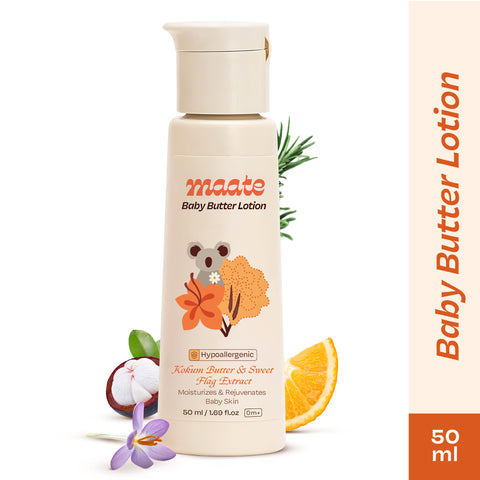
This final step helps prevent prolonged exposure to cold air and keeps the routine calm and predictable. If the skin feels dry once your baby is dressed, a baby lotion for winter can be worth a look.
How to Create a Newborn Bath Routine in Winter
A newborn bath routine in winter does not need to follow a strict daily schedule. Choose a time when your baby is calm, alert, and comfortable.
A simple routine could look like this:
-
Before the bath: Prepare the room, water, towel, and clothes.
-
During the bath: Clean gently, keep your baby supported, and avoid unnecessary delays.
-
After the bath: Pat the skin dry, check the skin folds, dress your baby, and offer a feed if needed.
-
On non-bath days: Clean the face, hands, neck folds, and nappy area as required.
If you are wondering how often to bathe a newborn in winter when your baby has dry or sensitive skin, focus on the condition of the skin rather than following a rigid schedule. Persistent dryness, eczema, or irritation may require individual advice from a paediatrician.
What Is the Best Time to Bathe a Newborn in Winter?
The best time to bathe a newborn in winter is when your baby is settled and the room is comfortably warm. There is no universally ideal time on the clock; morning and evening can both work.
Morning or Evening: Which Is Better?
A morning bath may suit families who prefer to begin the day with a fresh routine. An evening bath may fit naturally into a calming bedtime ritual. If you are planning around a festive evening, see a parent’s checklist for baby’s first diwali celebration.
Choose whichever time works best for your family, and remember that a bath does not need to happen every day. If gatherings disrupt your routine, see diwali with a newborn: diwali safety tips every new parent needs.
Should You Bathe Your Baby Before or After Feeding?
Avoid bathing your baby immediately after a feed, particularly if they are prone to bringing up milk. Equally, do not start a bath when your baby is hungry, distressed, or overtired.
Wait until your baby is settled and comfortable. If they become upset during the bath, stop and soothe them rather than trying to complete the routine.
Which Maate Products Can Support Your Baby's Winter Bath Routine?
A gentle routine starts with choosing products that suit your baby's age and skin needs. Maate offers baby-care essentials that can fit into different parts of bath time and post-bath care.
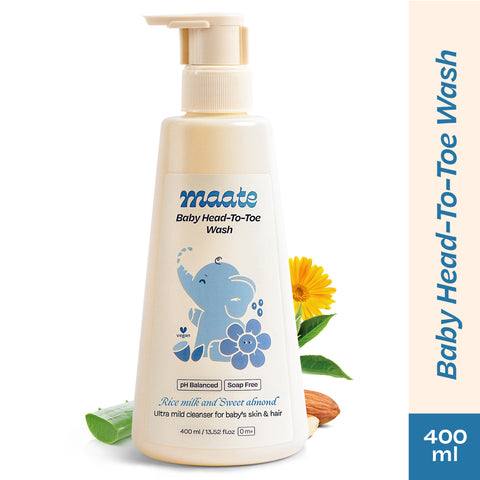
Maate Baby Head to Toe Wash
A combined hair and body cleanser for parents looking for a convenient bath-time option. Check the current label for newborn suitability and directions before use.
Maate Baby Body Wash
An option to consider when a cleanser is needed. Use it according to its label and avoid introducing multiple new products to a newborn's routine at once.
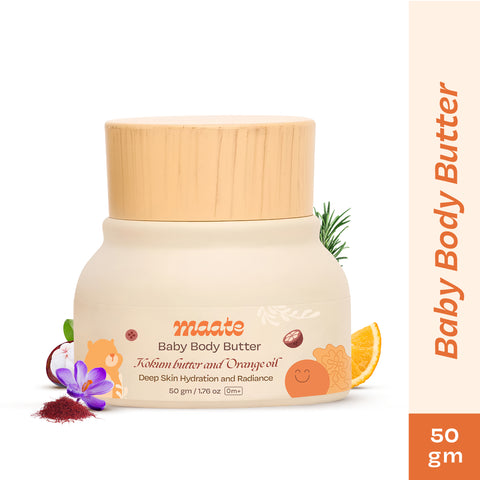
Maate Baby Body Butter
A moisturising option for suitable older babies. Follow the age guidance on the current packaging; the product's listed guidance specifies use from one month of age.
Remember, a newborn does not need a long skincare routine or several products after every bath. Gentle cleansing, careful drying, and age-appropriate moisturising when needed are sensible starting points.
Make Winter Bath Time a Gentle Ritual with Maate
Knowing how often to bathe a newborn in winter is only one part of caring for your little one's delicate skin. The real difference comes from a gentle routine, safe bathing practices, and products chosen with your baby's age and needs in mind.
Explore Maate's baby-care collection to discover thoughtful cleansing and skincare essentials for your family's routine. Choose what suits your baby, keep bath time simple, and make every little moment of care count.
A gentle bath, a warm towel, and a little extra care can make winter feel more comfortable for your newborn.
Frequently Asked Questions
Q1. How often should you bathe a newborn in winter?
Most healthy newborns need a full bath around two to three times a week. Clean the face, neck folds, hands, and nappy area between baths as needed.
Q2. Can I bathe my newborn every day in winter?
Yes, if there is a specific need and the bath is gentle, but daily baths are usually unnecessary. Frequent bathing may contribute to dryness.
Q3. Is warm water safe for newborn bathing?
Yes. Use comfortably warm water, check its temperature before bathing, and never use hot water. Keep a secure hold on your baby throughout.
Q4. Will bathing help my newborn sleep better?
A calm bath may become part of a soothing bedtime routine, but it does not guarantee better sleep. Follow your baby's cues and avoid bathing when they are overtired.
Q5. What is the best time to bathe a newborn in winter?
Choose a time when your baby is calm, alert, and comfortable, and the room is warm. Morning or evening can both work.
Q6. Why should newborn baths be kept short in winter?
Short baths reduce prolonged exposure to water and help prevent your baby from becoming cold. Dry and dress your baby promptly afterwards.
Q7. How do I know how often to bathe newborn in winter if their skin is dry?
If your newborn has dry skin, avoid unnecessary baths, use comfortably warm water, and pat the skin dry. Consult a paediatrician if dryness or irritation persists.
Q8. Can I use Maate products on my newborn after every bath?
Not necessarily. Check each product's age suitability and instructions before use. Newborns may need only plain water for bathing, particularly during the first month, and moisturisers are not automatically required after every bath.