Diaper rash is a common skin irritation caused by prolonged moisture, friction, sensitive skin, or infections. Most mild cases improve with frequent diaper changes, gentle cleansing, allowing the skin to dry, and using a protective barrier cream. If the rash becomes severe, spreads, or doesn't improve within a few days, consult your child's doctor.
Diaper rash is one of the most common skin concerns parents face during their baby's early years. While it can look uncomfortable, most cases can be managed with the right care at home. Gentle cleansing and effective skin protection play a big role in keeping your baby's skin healthy. Products like Maate Baby Wipes 99% Water and Maate Diaper Rash Cream are thoughtfully formulated to support delicate baby skin and can become an essential part of your daily diaper-changing routine.
What Is Diaper Rash?
Diaper rash is an inflammation of the skin that develops in the diaper area, including the baby's bottom, thighs, and genital region. It usually appears as red, irritated skin and is especially common during the first two years of life when babies wear diapers continuously.
A baby's skin is thinner and more delicate than adult skin, making it more vulnerable to irritation from moisture, rubbing, and prolonged contact with urine or stool. While diaper rash is usually mild, early care helps prevent it from becoming more uncomfortable.
What Does Diaper Rash Look Like?
Diaper rash may appear differently depending on its cause, but common signs include:
- Red or pink patches on the diaper area
- Warm or inflamed skin
- Mild swelling
- Dry or peeling skin
- Small bumps
- Fussiness during diaper changes because of discomfort
If the rash develops blisters, open sores, or spreads beyond the diaper area, it may require medical attention.
What Causes Diaper Rash?
Several everyday factors can contribute to diaper rash. Understanding these causes can help you reduce the chances of it occurring.
Prolonged Contact with Wet or Soiled Diapers
The most common cause is leaving a wet or dirty diaper on for too long. Continuous exposure to urine and stool weakens the skin's protective barrier and increases irritation.
Friction
A diaper that fits too tightly can rub against your baby's skin, causing redness and irritation, especially during movement.
Sensitive Skin
Some babies naturally have more sensitive skin and may react more easily to moisture, heat, or certain baby care products.
New Foods
As babies begin eating solid foods, changes in their stool can sometimes increase the likelihood of diaper rash.
Antibiotics
Antibiotics may alter the balance of healthy bacteria, increasing the risk of yeast overgrowth and diaper rash.
Yeast or Fungal Infection
A diaper rash that doesn't improve with routine care may be caused by a yeast infection. These rashes often appear bright red with smaller red spots around the edges.
Allergic Reactions
Fragranced wipes, soaps, detergents, or diapers containing harsh ingredients can sometimes irritate sensitive skin.
Common Signs and Symptoms of Diaper Rash
Most diaper rashes begin mildly and become more noticeable if the skin remains irritated.
Common symptoms include:
- Redness around the diaper area
- Tender or sensitive skin
- Dry, flaky patches
- Mild swelling
- Small raised bumps
- Baby crying or becoming uncomfortable during diaper changes
- Warm skin to the touch
Recognising these early signs allows parents to begin treatment before the rash worsens.
How to Treat Diaper Rash at Home
Most mild diaper rashes respond well to simple home care and a consistent diaper-changing routine.
Change Diapers Frequently
Keeping the diaper area dry is one of the most effective ways to help the skin heal. Change diapers promptly after they become wet or soiled to minimise prolonged moisture exposure.
Clean the Skin Gently
Avoid scrubbing irritated skin. Instead, clean the area gently using soft, fragrance-free wipes uses or lukewarm water.
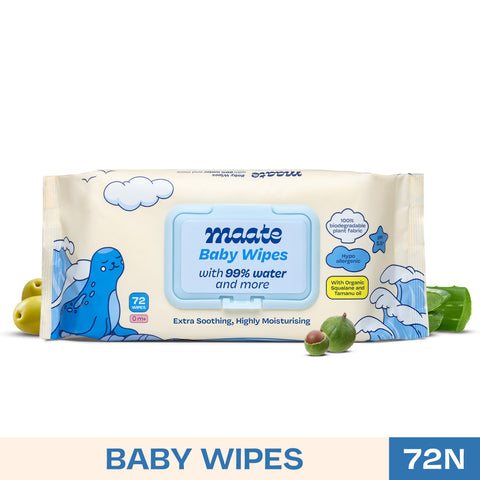
Maate Baby Wipes 99% Water are specially designed for newborn and sensitive skin. Made with 99% purified water and 100% plant-based biodegradable fabric, they are pH-balanced and free from harsh chemicals. Enriched with Organic Squalane and Tamanu Oil, they gently cleanse while helping maintain the skin's natural moisture barrier, making every diaper change kinder to delicate skin.
Allow the Skin to Air Dry
Whenever possible, allow your baby to spend a few minutes without a diaper after cleaning. Air exposure helps reduce trapped moisture and supports natural healing.
Apply a Protective Barrier Cream
Barrier creams help protect irritated skin from further contact with moisture.
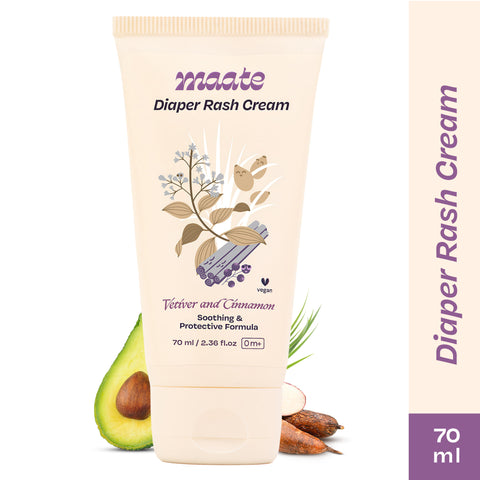
Maate Diaper Rash Cream combines Zinc Oxide with nourishing ingredients such as Calendula Oil, Shea Butter, Avocado Oil, Vegetable Squalane, Vetiver, and Rosehip Oil. This dermatologically and paediatrician-tested formula creates a protective layer while soothing the skin and supporting its natural recovery.
How to Prevent Diaper Rash Before It Starts
Preventing diaper rash is often easier than treating it. A few simple habits can make a noticeable difference.
Keep the Diaper Area Clean
Gentle cleansing during every diaper change helps remove irritants before they affect the skin.
Change Diapers Promptly
Frequent diaper changes reduce moisture build-up and help keep your baby's skin comfortable.
Choose Breathable Diapers
A well-fitting, breathable diaper allows better airflow while reducing friction.
Avoid Harsh Ingredients
Choose fragrance-free, alcohol-free products designed specifically for babies with delicate skin.
Give Your Baby Diaper-Free Time
Short periods without a diaper allow fresh air to reach the skin and reduce excess moisture.
Use a Barrier Cream Regularly
Applying a protective diaper cream, especially at bedtime or after bowel movements, helps protect against prolonged moisture exposure.
When Should You See a Doctor?
Although most diaper rashes improve within a few days, certain symptoms require medical advice.
Speak to your healthcare provider if:
- The rash lasts longer than three days despite home care.
- Blisters or open sores develop.
- There is pus or unusual discharge.
- Your baby develops a fever.
- The rash spreads beyond the diaper area.
- Your baby appears to be in significant pain.
- You suspect a fungal or bacterial infection.
Early medical evaluation helps identify whether additional treatment is needed.
Diaper Rash Myths Parents Should Stop Believing
Many misconceptions about diaper rash can delay proper care.
Myth: Every diaper rash needs antibiotics.
Fact: Most diaper rashes improve with gentle baby skin care and barrier protection.
Myth: Baby powder is always the best solution.
Fact: Barrier creams and keeping the skin dry are generally more effective.
Myth: Diaper rash only happens because of poor hygiene.
Fact: Even attentive parents may notice diaper rash due to sensitive skin, friction, or infections.
Myth: Thick layers of cream heal the rash faster.
Fact: A protective layer is helpful, but gentle cleansing and frequent diaper changes remain equally important.
Final Thoughts
Diaper rash is a common part of infancy, but it doesn't have to become a recurring concern. By changing diapers regularly, cleansing gently, allowing the skin to dry, and protecting it with an effective barrier cream, you can help keep your baby's skin healthy and comfortable.
Every baby deserves gentle care from the very first diaper change. Maate Baby Wipes 99% Water provide mild, effective cleansing without harsh ingredients, while Maate Diaper Rash Cream helps soothe irritation and protect delicate skin with Zinc Oxide and nourishing botanical ingredients. Together, they offer a simple, skin-friendly routine that supports your baby's comfort every day. Explore Maate's thoughtfully crafted newborn baby care essentials and give your little one the gentle protection they deserve.
Frequently Asked Questions
Q1. How can I prevent diaper rash?
Change diapers frequently, keep the diaper area clean and dry, allow some diaper-free time each day, and use a protective barrier cream to minimise moisture-related irritation.
Q2. How long does diaper rash usually last?
Most mild diaper rashes begin improving within two to three days when treated with regular diaper changes, gentle cleansing, and barrier protection.
Q3. Can baby wipes cause diaper rash?
Some wipes containing alcohol, fragrance, or harsh ingredients may irritate sensitive skin. Choosing gentle wipes made primarily with water and skin-friendly ingredients helps reduce this risk.
Q4. Can diaper rash heal without cream?
Very mild diaper rash may improve with frequent diaper changes and air drying, but a barrier cream can protect the skin from further irritation and support faster recovery.
Q5. Is diaper rash painful for babies?
Yes. Babies with diaper rash may feel discomfort, especially during diaper changes or when urine or stool comes into contact with irritated skin.
Q6. Will diaper rash go away on its own?
Some mild cases improve naturally if the skin is kept clean and dry, but prompt treatment usually helps the rash heal more quickly and prevents it from worsening.
Q7. What is the most common cause of diaper rash?
The most common cause is prolonged exposure to wet or soiled diapers, which weakens the skin's natural protective barrier and causes irritation.
Q8. Why should I see a doctor for diaper rash?
You should consult a doctor if the rash becomes severe, develops blisters or pus, spreads outside the diaper area, is accompanied by fever, or does not improve after several days of proper home care.