To care for baby’s face in winter, cleanse gently with lukewarm water, pat the skin dry, and apply a suitable baby facial moisturizer when needed. Protect exposed cheeks from cold winds, avoid harsh or fragranced products, and gently clean drool. Seek pediatric advice if dryness persists, worsens, or develops into cracked or inflamed skin.
Learning how to care for baby’s face in winter starts with understanding how cold air, low humidity, and frequent wiping can affect delicate skin. A simple, consistent routine can help maintain moisture and reduce irritation. With thoughtful daily care, parents can keep their little one comfortable throughout the colder months. But what should that routine actually look like? For a wider overview, you can read more about baby skin care in winter.
Why Does a Baby’s Face Get Dry in Winter?
A baby's skin is delicate and still developing its protective barrier. Winter conditions can make it harder for the skin to retain moisture, particularly around the cheeks, chin, and mouth.
Common causes include:
- Cold air and low humidity: Dry environmental conditions can increase moisture loss from the skin.
- Indoor heating: Heated rooms may have lower humidity, contributing to dryness.
- Frequent washing: Hot water, harsh cleansers, and excessive washing can strip away natural oils.
- Drooling and feeding: Saliva and repeated wiping can irritate the skin around the mouth and chin.
- Sensitive skin: Some babies are more prone to irritation or eczema, which may become more noticeable during colder weather.
Understanding these triggers makes it easier to choose gentle habits that support your baby’s skin barrier. If you are caring for a very young baby, this guide on how to take care of newborn baby in winter may also help.
How to Care for Baby’s Face in Winter: 7 Gentle Tips
A consistent routine is generally more helpful than using several skincare products. These seven steps can help parents manage everyday winter dryness while keeping their baby’s comfort at the centre of care. For gentle facial moisturising, a baby face cream is one option to consider.
1. Cleanse With Lukewarm Water
Use lukewarm water and a soft, clean cloth to remove milk, food, and everyday residue. Avoid hot water because it can increase dryness and irritation.
A mild, baby-appropriate cleanser may be useful when water alone is insufficient. Pat the face dry instead of rubbing it with a towel.
2. Apply a Suitable Baby Facial Moisturizer
Moisturizing helps soften the skin and reduce moisture loss. Apply a suitable baby facial moisturizer after cleansing, while the skin is still slightly damp, following the product’s directions. If dryness is your main concern, a baby face cream for dry skin may suit this step.
When choosing a product, consider:
- Whether it is intended for delicate baby facial skin.
- Whether its ingredients suit your baby's skin.
- Whether it is appropriate for your baby's age.
- Whether it avoids ingredients that have previously caused irritation.
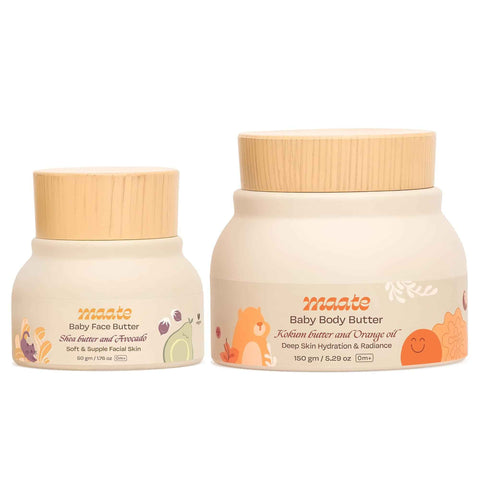
Maate Baby Face Butter is one option to explore when selecting a facial moisturizer for your baby's routine. Check its current ingredient list and age guidance before use.
3. Protect the Cheeks From Cold Wind
Cold winds can leave exposed skin feeling dry and uncomfortable. During outdoor trips, dress your baby in weather-appropriate layers and use a soft covering to protect the cheeks when practical. For a very young baby, a newborn baby face cream designed for delicate skin is worth checking.
Avoid wrapping fabric tightly around the nose and mouth. Babies should also be dressed to prevent overheating, particularly when moving between outdoor and heated indoor environments.
4. Clean Drool Without Rubbing
Drooling is common during infancy, but repeated exposure to saliva can irritate the skin around the mouth and chin.
To reduce irritation:
- Gently dab away saliva with a soft cloth.
- Avoid repeatedly scrubbing the same area.
- Apply an appropriate protective moisturizer if suitable for your baby's age and skin.
- Keep the area clean and dry without excessive washing.
If a rash becomes persistent, painful, or starts to ooze, seek medical advice rather than relying on skincare products alone.
5. Keep Bath Time Short and Gentle
Long baths and hot water can contribute to dry skin. Use lukewarm water, keep bathing brief, and choose a gentle cleanser when needed. To plan your routine, see this guide on how often to bathe newborn in winter.
After bathing, pat the skin dry and apply a suitable moisturizer. A simple routine helps avoid unnecessary exposure to cleansing products and supports the skin’s natural moisture barrier. A baby moisturizing lotion can be an easy option for the body after a bath.
6. Maintain Comfortable Indoor Humidity
Indoor heating can make the air dry during winter. A clean humidifier may help maintain comfortable humidity levels in your baby's room.
Follow the manufacturer's cleaning instructions to prevent mould and microbial growth. Avoid excessive humidity, and do not use humidifiers as a substitute for appropriate skincare.
7. Avoid Harsh or Unnecessary Products
Baby facial skin does not need an elaborate skincare routine. Avoid adult facial cleansers, exfoliants, strong fragrances, and products that cause irritation.
Natural ingredients are not automatically suitable for every baby. Introduce new products cautiously, follow the label instructions, and ask a pediatrician before applying products to broken or inflamed skin.
How to Prevent Dry Cheeks in Babies During Winter
Preventing winter dryness is easier when gentle habits become part of everyday care. Parents do not need to change their baby's entire routine whenever the temperature drops.
Focus on these simple practices:
- Moisturize consistently: Use an appropriate baby facial moisturizer when needed, especially after cleansing.
- Limit unnecessary washing: Clean the face when required rather than repeatedly washing it.
- Reduce friction: Use soft cloths and gentle dabbing motions.
- Protect exposed skin: Minimize prolonged exposure to harsh winds and cold conditions.
- Watch for irritation: Notice whether redness or dryness appears after introducing a new product.
- Maintain a comfortable environment: Avoid overheating and keep indoor humidity at a reasonable level.
These habits can help reduce common sources of dryness, although they cannot prevent every skin condition. Babies with persistent symptoms may need individualized care from a healthcare professional.
Baby Face Care in Cold Weather: A Simple Daily Routine
A practical routine makes winter skincare easier to maintain.
Morning
- Check the cheeks, chin, and area around the mouth for dryness or irritation.
- Gently clean visible residue.
- Apply a suitable moisturizer if needed.
- Prepare weather-appropriate clothing before going outdoors.
During the day
- Dab away drool and food residue gently.
- Avoid unnecessary washing and rubbing.
- Protect exposed skin from cold wind and follow age-appropriate sun-protection guidance.
Evening
- Clean the face gently when needed.
- Pat the skin dry.
- Apply a suitable moisturizer according to the product instructions.
- Check whether dryness or redness is improving or worsening.
Consistency matters more than the number of products in the routine.
Choosing the Right Moisturizer for Your Baby's Face
The right moisturizer should suit your baby’s age, skin needs, and the intended area of application. Products designed for facial skin can make it easier to follow a simple, targeted routine. For the body in colder months, a baby lotion for winter is a separate product to consider.
Look for formulations that help soften the skin and reduce moisture loss. Ingredients such as shea butter and certain plant oils can serve as emollients, helping improve skin softness. However, even naturally derived ingredients can cause irritation in some babies.
Maate Baby Face Butter contains ingredients such as shea butter, kokum butter, jojoba oil, and avocado oil, according to its product information. It may be worth considering as part of a facial moisturizing routine, provided it is appropriate for your baby's age and individual skin needs.
You can also explore Maate Baby Butter Lotion for body moisturization after bathing. Keep the distinction clear: choose products according to their intended use, and do not assume that a body lotion should automatically be used on the face. Some parents also use a baby massage oil for body massage, provided it suits their baby’s age and skin.
Always read product labels and avoid applying cosmetic products near the eyes, inside the nostrils, or on broken skin unless specifically directed by a healthcare professional.
When Should You Consult a Pediatrician?
Ordinary winter dryness may improve with gentle cleansing and moisturizing, but persistent skin changes should not be ignored.
Seek medical advice if your baby's face develops:
- Persistent or worsening redness.
- Cracked skin, bleeding, or significant discomfort.
- Intense itching or recurring patches.
- Blisters, crusting, swelling, or weeping.
- A rash that does not improve with gentle care.
Eczema and other skin conditions can resemble simple dryness. A pediatrician can help identify the cause and recommend suitable treatment. Avoid using medicated creams or home remedies on an infant's face without appropriate guidance.
Make Gentle Winter Care Part of Your Baby's Routine With Maate
Caring for your baby's skin in winter does not need to be complicated. Gentle cleansing, thoughtful protection from cold weather, and a suitable moisturizer can help keep everyday skincare simple and consistent.
Explore Maate Baby Face Butter to find out more about the brand's facial moisturizing option, or discover the Maate baby skincare range for products suited to different parts of your baby's routine.
Choose products with care, follow age recommendations, and consult your pediatrician when dryness persists or the skin becomes inflamed. With a gentle approach and the right daily habits, you can help make winter a more comfortable season for your little one.
Frequently Asked Questions
Q1. How can I care for my baby's face in winter every day?
Clean the face gently with lukewarm water, pat it dry, and use a suitable baby facial moisturizer when needed. Protect exposed skin from harsh winds and clean drool without rubbing.
Q2. Can I apply moisturizer to my baby's cheeks daily?
Yes, a suitable baby facial moisturizer can generally be used as directed when your baby's skin needs it. Choose an age-appropriate product and stop using it if irritation develops.
Q3. Is baby face butter suitable for newborns?
Suitability depends on the product's age guidance, ingredients, and the baby's individual skin needs. Check the label and consult a pediatrician before introducing a new product to a newborn.
Q4. Will a humidifier prevent dry cheeks in babies?
A clean humidifier may help reduce dryness associated with low indoor humidity. It works best alongside gentle skincare and does not treat underlying conditions such as eczema.
Q5. What causes dry patches on a baby's face in winter?
Cold air, low humidity, indoor heating, frequent washing, and saliva-related irritation can contribute to dry patches. Persistent or inflamed patches may indicate a skin condition that requires medical assessment.
Q6. Why does my baby's face get dry even after moisturizing?
Dryness may persist because of environmental conditions, an unsuitable product, repeated irritation, or an underlying skin condition. Review the routine and seek pediatric advice if symptoms continue or worsen.
Q7. How can I protect my baby's cheeks from cold wind?
Dress your baby in weather-appropriate layers, minimize prolonged exposure to harsh winds, and use a suitable moisturizer when needed. Keep the nose and mouth unobstructed and avoid overheating.
Q8. Can dry cheeks be a sign of eczema?
Yes. Eczema can cause dry, itchy, red, or inflamed patches, although ordinary dryness can look similar. A pediatrician can assess persistent symptoms and recommend appropriate treatment.